
A plumbing emergency happens when water damage, health risks, or loss of essential services need quick help. In the Inland Empire, CA, knowing these signs can save you thousands and keep your family safe from contaminated water or mold.
So, what is a plumbing emergency? It’s when water leaks where it shouldn’t, you can’t stop it, or your plumbing stops working. These issues need fast action because every minute is crucial when water threatens your home.
Your home’s plumbing system works all the time, and problems don’t wait. Knowing when to call Local Plumbers 4 U at 909-378-9322 can save you from big damage. If you see water pooling, smell sewage, or lose water pressure suddenly, you need professional emergency plumbing help right away.
Key Takeaways
- A plumbing emergency threatens immediate property damage or health risks
- Call for help if water flows uncontrollably or basic functions fail
- Emergency plumbing issues include burst pipes, sewage backups, and major leaks
- Quick response prevents water damage and mold growth
- Know your main water shut-off valve location before emergencies strike
- Keep Local Plumbers 4 U’s number (909-378-9322) handy for fast response
Understanding Plumbing Emergencies
Spotting urgent plumbing problems can save you a lot of money. Water damage hits nearly 14,000 Americans every day. Repair costs can be from $2,000 to $8,000, as EPA data shows. Knowing what’s an emergency lets you act fast when time is crucial.
Definition of a Plumbing Emergency
A plumbing emergency is when you need to act fast to avoid damage or health risks. This includes water pouring out of burst pipes, sewage backing up, or losing all water. Gas leaks from water heaters are also urgent due to safety reasons.
These plumbing emergency signs need a pro’s help within hours, not days.
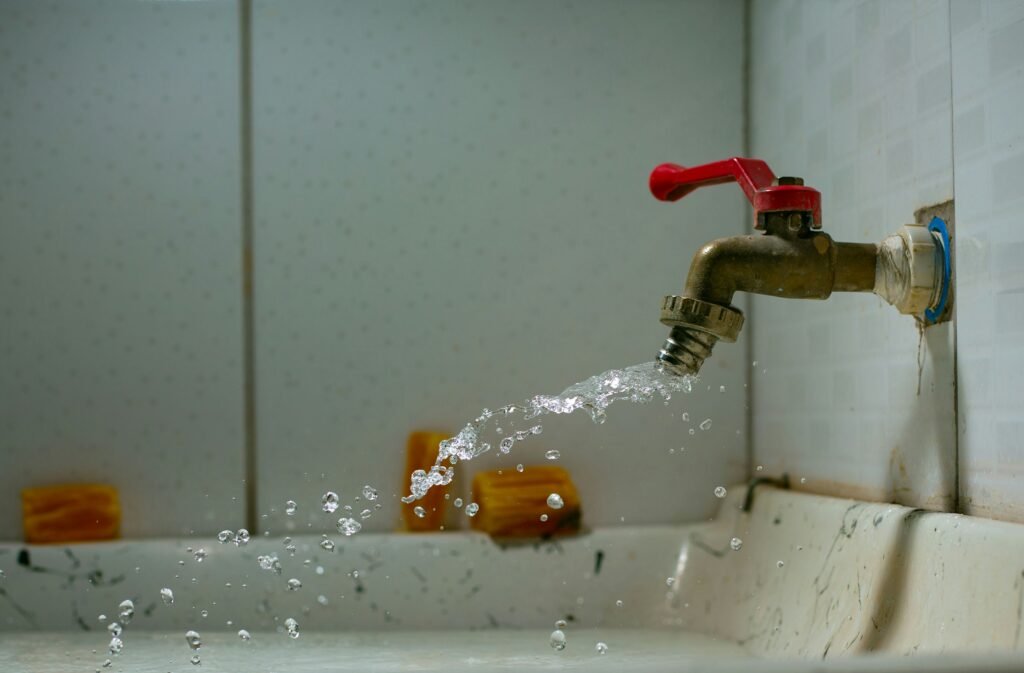
Common Causes of Plumbing Emergencies
Many things can cause plumbing emergencies in homes. Frozen pipes burst when it’s very cold, leading to flooding. Tree roots can get into sewer lines and block them, sending waste back into your home.
Old pipes can crack after 50-70 years. Sudden changes in water pressure can also cause leaks. Appliances like water heaters or washing machines can break and spill water fast.
Regular checks can catch problems early, but emergencies can still happen.
When to Call a Plumber
Plumbing issues can quickly turn from small problems to big disasters. Knowing when to look for an emergency plumber can save you a lot of money. It also keeps your home safe from water damage.
Some plumbing problems need quick help, while others can wait until the next business day.
Immediate Signs of Trouble
Your home will tell you when you need emergency plumbing services. If you see water pooling or spreading, act fast. Sewage smells from drains are a sign of a serious backup that’s bad for your health.
Seeing multiple drains clog at once means a big problem. Pipe damage, sudden water pressure drops, or no hot water when it’s cold all need quick help.
The “When to Call” Rule
Knowing when to call can stop small problems from getting worse. Here’s a guide to help you decide:
| Severity Level | Signs | Response Time | DIY or Pro? |
|---|---|---|---|
| Critical | Flooding, burst pipes, sewage overflow | Call within 15 minutes | Professional only |
| Urgent | No water, no hot water, major clogs | Call within 2 hours | Professional recommended |
| Moderate | Slow drains, minor leaks, running toilet | Call within 24 hours | DIY possible, pro safer |
Listen to your gut when dealing with plumbing issues. If water is spreading or you smell gas near your water heater, turn off your main water valve. Then, call emergency plumbing services right away.
Notable Plumbing Emergency Scenarios
Knowing what to do in plumbing emergencies can save a lot. Some problems need quick help, while others might give you a little time. It’s important to understand these situations to act fast and right when emergencies happen.
Major Leaks and Flooding
A burst pipe can release up to 250 gallons of water per minute. This can flood your home quickly, damaging walls, floors, and belongings. Freezing temperatures and high water pressure cause these disasters.
Your first step should be to turn off the main water valve. This stops the water flow. Then, call for emergency help.
Severe Clogs
Main sewer line blockages affect your whole property’s drainage. You’ll see water backing up in sinks, toilets, and tubs. Tree roots, debris, or damaged pipes often cause these problems.
Don’t use chemical drain cleaners on old pipes. They can make things worse and cause pipe failure.
Broken Water Heaters
Water heater failures can be minor or serious. Tank ruptures can flood your basement, while gas leaks are dangerous. A emergency professional will decide if you need a repair or a new one.
| Emergency Type | Expected Response Time |
|---|---|
| Active Flooding | 30-60 minutes |
| Sewer Backups | 1-2 hours |
| Water Heater Issues | 2-4 hours |
Costs Associated with Plumbing Emergencies
Understanding the cost of urgent plumbing problems helps you make smart choices. Emergency calls are pricier than regular visits because they require quick action and special tools. The total cost depends on several factors, affecting both immediate and future repair costs.
Average Response Times
Emergency plumbers in the Inland Empire usually arrive in 45 to 90 minutes. Faster service often means higher fees. Calls on weekends or holidays can double the cost, while weekday emergencies are cheaper. Most plumbers charge a minimum fee of $100 to $300 just for coming to your door.
Long-term Repairs vs. Temporary Fixes
Choosing between quick fixes and lasting solutions is crucial. Temporary repairs might solve the immediate problem but can fail soon. On the other hand, permanent repairs are more expensive upfront but save you from future emergencies and water damage.
| Cost Factor | Temporary Fix | Permanent Solution |
|---|---|---|
| Initial Cost | $150-$500 | $500-$5,000 |
| Durability | 3-12 months | 10-25 years |
| Insurance Coverage | Rarely covered | Often covered for sudden damage |
| Future Risk | High probability of repeat issues | Low maintenance requirements |
Your homeowner’s insurance usually covers sudden pipe bursts and accidents but not gradual wear or neglect. Keep photos and receipts of your plumbing emergency for insurance claims.
FAQ on Plumbing Emergencies
Knowing what a plumbing emergency is helps you act fast and protect your home. Many people face plumbing problems without knowing what to do. These questions cover quick actions and tips to prevent costly repairs.
What should I do in a plumbing emergency?
First, turn off the water supply. Look for shut-off valves on toilets, water heaters, and washing machines. Turn them clockwise to stop water flow. If you can’t find the valve, find your home’s main water valve and turn it off.
Clear the area to avoid damage. Take photos of any damage for insurance before cleaning. Call Local Plumbers 4 U at 909-378-9322 for help. They offer 24/7 emergency services.
How can I prevent plumbing emergencies?
Regular maintenance can prevent many problems. Get annual inspections from a licensed plumber. They can find weak pipes and clogs.
Keep water pressure below 80 PSI to avoid pipe bursts. Insulate pipes in cold areas to prevent freezing. Clean drains monthly and only flush toilet paper.
Common plumbing emergencies often come from neglect. Keep an emergency kit with tools like a plunger and epoxy putty. Know where your insurance is and what it covers.
Watch for seasonal risks like frozen pipes and high water use. Local Plumbers 4 U is ready 24/7 at 909-378-9322 for emergencies.