
A sewer backup emergency occurs when wastewater reverses direction and enters your property through drains, toilets, or other plumbing fixtures. This situation creates immediate contamination risks and potential structural damage to your home or business. When facing a sewer backup emergency, every minute counts—both for limiting exposure to harmful pathogens and minimizing property damage. Immediate professional response helps contain the situation, properly sanitize affected areas, and restore your property to a safe condition.
How quickly should I respond to a sewer backup emergency?
You should respond immediately to a sewer backup emergency. Stop using all water fixtures, keep people away from affected areas, and call a professional plumber right away. Every hour of delay increases health risks and property damage.
Is a sewer backup considered a health hazard?
Yes, sewer backups are significant health hazards. They contain bacteria, viruses, and other pathogens that can cause serious illness. Professional cleaning and sanitization are essential to make the area safe again.
What causes most sewer backup emergencies in Southern California?
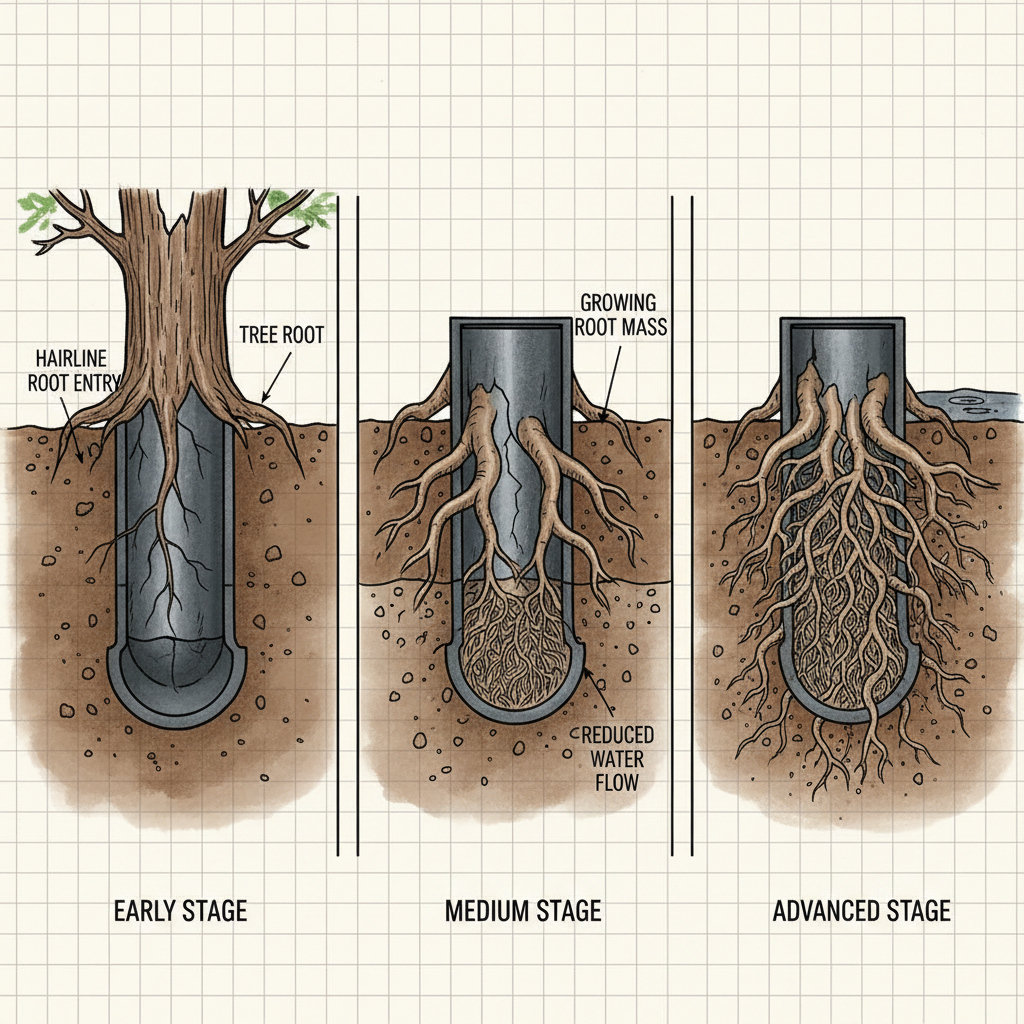
In Southern California, common causes include tree root intrusion into aging clay pipes, soil shifting from earthquakes, debris blockages, and municipal sewer line issues. The region’s older infrastructure in areas like Riverside and San Bernardino Counties makes properties particularly vulnerable.
Why Sewer Backups Are Considered Emergencies
Sewer backups create immediate health hazards requiring professional intervention
When wastewater reverses direction and enters your living or working space, it brings with it a host of dangerous contaminants. Unlike clean water damage from a burst pipe, a sewer backup emergency involves what professionals classify as Category 3 or “black water”—the most hazardous type of water contamination.
Contamination Categories in Plumbing Emergencies
Category 1 (Clean Water): Water from broken supply lines or faucets
Category 2 (Gray Water): Wastewater from showers or washing machines
Category 3 (Black Water): Sewage containing pathogens and toxic materials
Category 3 contamination requires immediate professional intervention because it contains human waste, bacteria, viruses, and other harmful microorganisms. In Inland Empire’s warm climate, these pathogens multiply rapidly, increasing health risks by the hour.
Beyond health concerns, sewer backups threaten your property’s structural integrity. Contaminated water quickly penetrates building materials, causing warping, deterioration, and creating conditions for dangerous mold growth. The longer sewage remains, the more extensive and costly the damage becomes.
Common Causes of Emergency Sewer Backups
Infrastructure Factors
Household Causes
Municipal Issues
Understanding these causes helps property owners take preventive measures, but when a sewer backup emergency occurs, immediate professional response remains essential regardless of the cause.
Health and Structural Risks
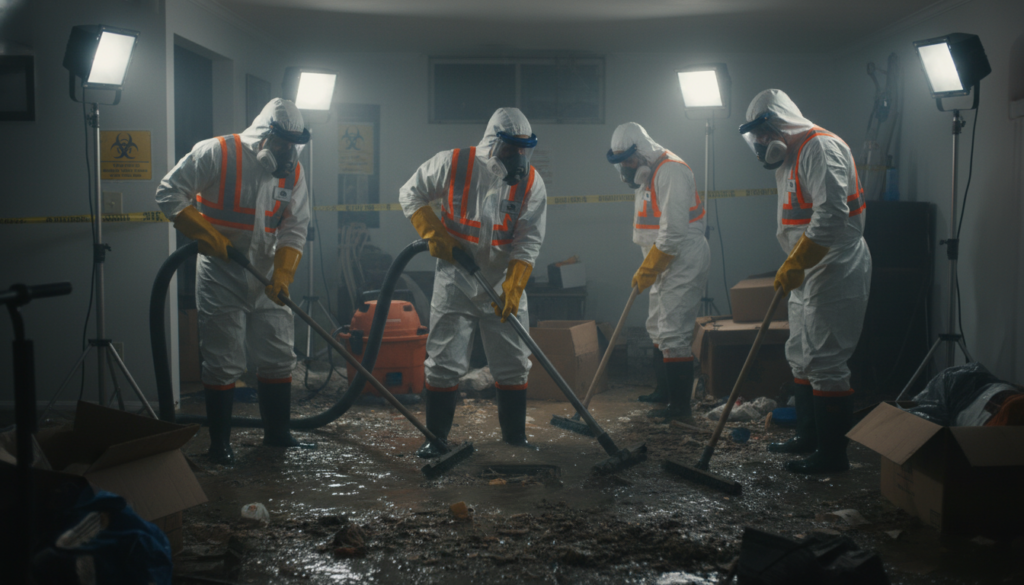
Immediate Health Hazards
Sewage contains numerous pathogens that pose serious health risks, including:
Bacterial Threats
- E. coli infections
- Salmonella
- Shigella
- Campylobacter
Viral Pathogens
- Norovirus
- Hepatitis A
- Adenovirus
- Rotavirus
These contaminants can enter the body through direct contact, ingestion, or inhalation of aerosolized particles. Children, elderly individuals, and those with compromised immune systems face particularly high risks during a sewer backup emergency.
Property Damage Progression
Beyond health concerns, sewage quickly damages your property in stages:
Commercial properties face additional concerns, including business interruption, liability issues if customers or employees are exposed, and potential regulatory violations. The scale of commercial sewer backups often requires more extensive emergency response protocols than residential incidents.
Emergency Sewer Repair Process Overview
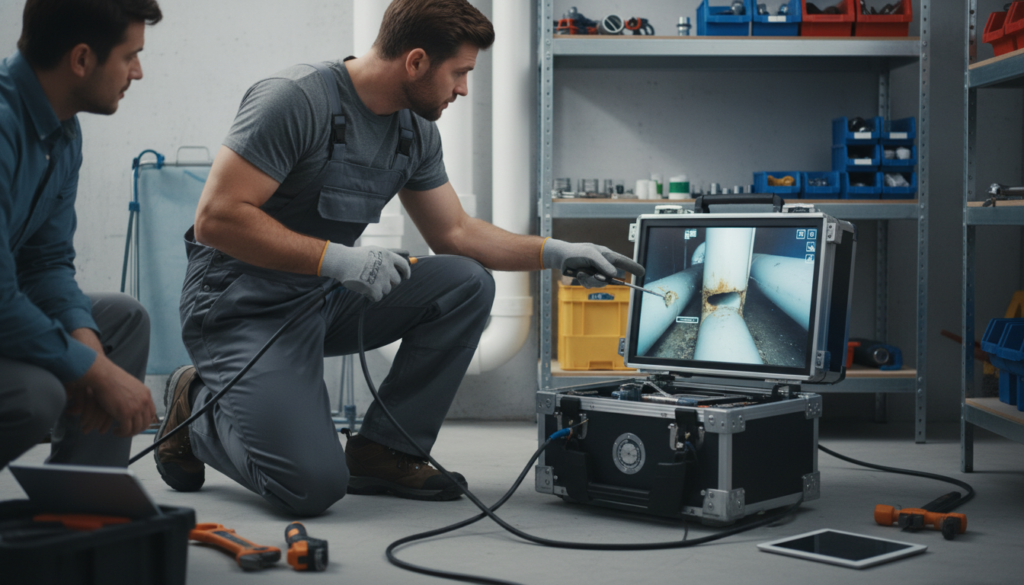
Immediate Response Protocol
Technology Differences: Residential vs. Commercial
The scale and approach to sewer backup emergencies differ between property types:
| Aspect | Residential Response | Commercial Response |
| Equipment Scale | Standard capacity extraction | Industrial-grade pumps and extractors |
| Line Capacity | 3-4 inch residential lines | 6-12 inch commercial mains |
| Diagnostic Approach | Basic camera inspection | Comprehensive mapping and sonar assessment |
| Restoration Timeline | 1-3 days typical | Coordinated phased approach to maintain operations |
For both property types, professional intervention is crucial. DIY attempts to address a sewer backup emergency often worsen the situation by spreading contamination or damaging pipes further. Our emergency plumbing specialists arrive with the proper equipment, protective gear, and expertise to handle the situation safely.
Preventing Future Sewer Emergencies
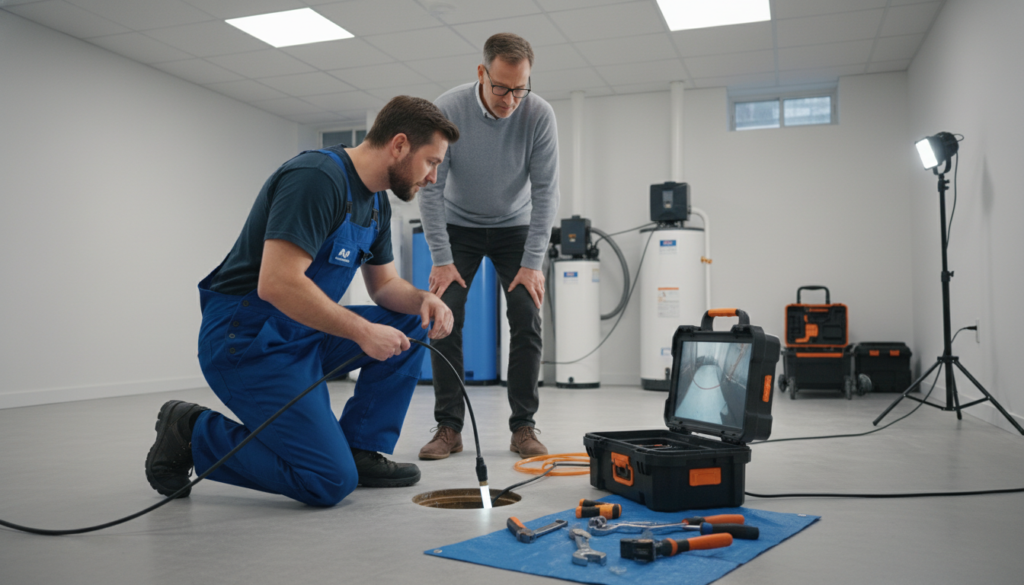
Proactive Maintenance Schedule
Regular maintenance significantly reduces the risk of experiencing a sewer backup emergency:
Southern California-Specific Considerations
Local conditions in Riverside and San Bernardino Counties require special attention:
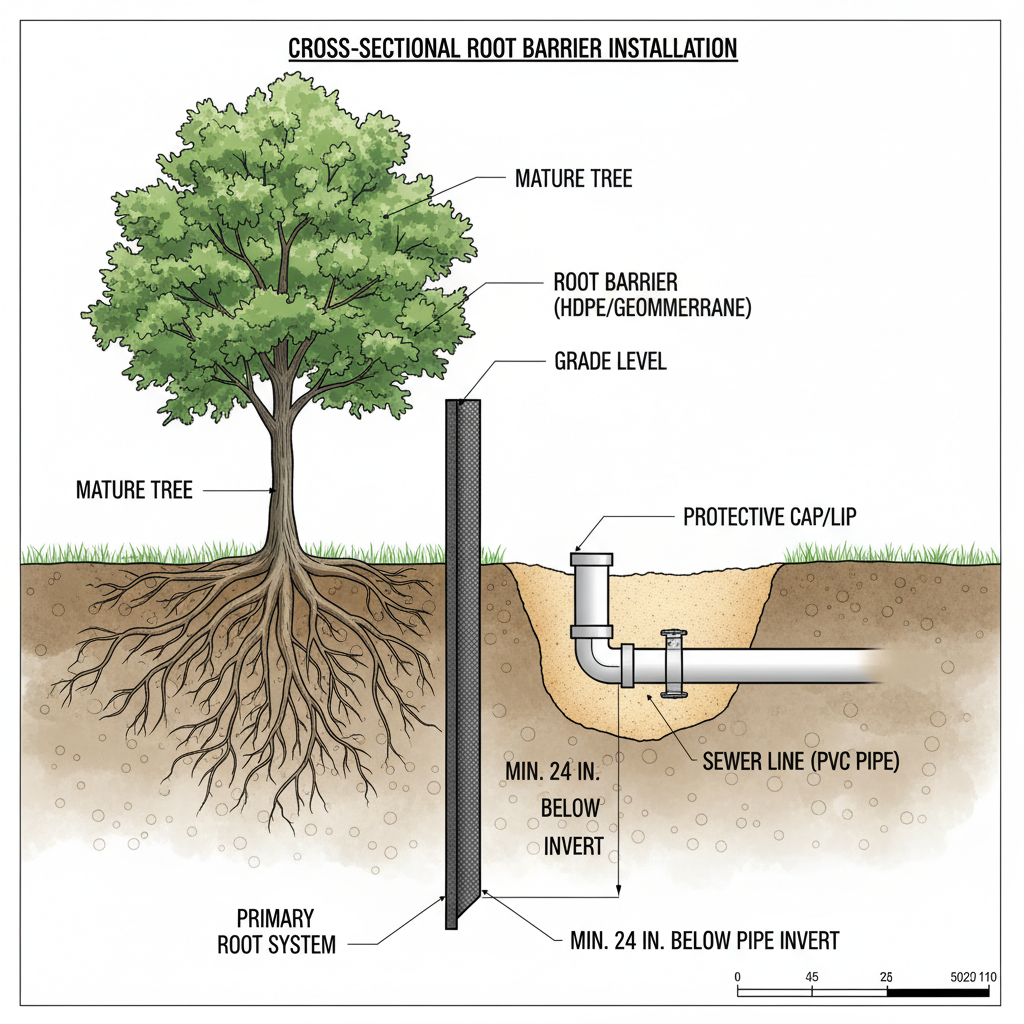
While these preventive measures significantly reduce risk, no system is entirely immune to problems. Having a relationship with a reliable emergency plumbing service ensures fast response when issues do arise.
Service Areas We Cover
Riverside County
San Bernardino County
Our emergency response teams are strategically positioned throughout the Inland Empire to provide rapid response to sewer backup emergencies. We understand the unique infrastructure challenges of each community, from Corona‘s older neighborhoods to newer developments in Rancho Cucamonga.
Get Emergency Sewer Backup Help Now
When facing a sewer backup emergency, every minute counts. Our licensed plumbers are available 24/7 to provide immediate response, professional assessment, and effective solutions that protect your health and property.
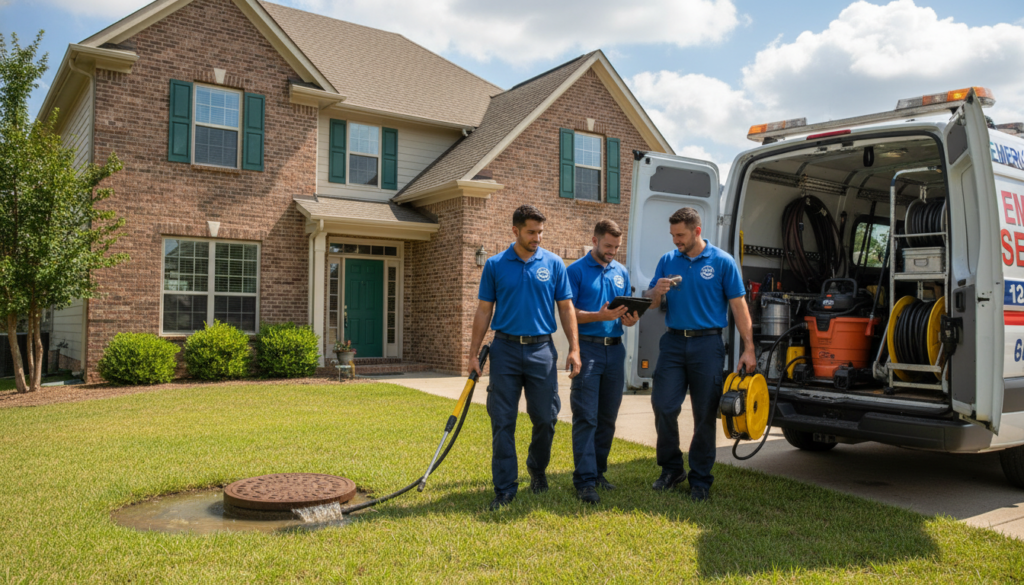
A sewer backup emergency requires immediate professional intervention to protect your health and property. Local Plumbers 4 U specializes in rapid response, thorough assessment, and effective remediation of sewer emergencies throughout the Inland Empire. Our licensed technicians arrive fully equipped to handle any sewer backup situation, from simple clogs to complex pipe failures.
Don’t wait until contamination spreads or structural damage worsens. Contact us immediately at the first sign of a sewer backup to minimize health risks and property damage.