
Did you know 73% of homeowners who delay plumbing updates during renovations spend almost twice as much later? Renovations offer a chance to upgrade your plumbing system. This can save thousands for Riverside County residents.
Many homeowners focus on visible upgrades like countertops and flooring. But they often ignore what’s behind the walls. In older homes in San Bernardino and Corona, pipes might be deteriorating. This is because of outdated materials like galvanized steel or polybutylene.
At Local Plumbers 4 U, we’ve seen many cases where new bathrooms or kitchens had to be partially torn down months later. This was due to plumbing failures that could have been during the initial work. This causes extra costs and inconvenience.
Doing both projects together has many benefits. Modern pipes like PEX offer better flow, energy savings, and last longer than old systems. Your new fixtures and appliances also need reliable plumbing to work well.
Local Plumbers 4 U works with your renovation schedule to make plumbing updates fit smoothly. We know the Inland Empire’s water and building challenges well.
Key Takeaways
- Combining plumbing updates with renovations can save up to 50% on labor costs
- Modern pipe materials offer superior performance and longevity compared to older systems
- Addressing plumbing issues prevents damage to new fixtures and finishes
- Professional coordination ensures minimal disruption to your renovation timeline
- Local expertise matters when dealing with regional water conditions and building types
- Upgrading plumbing during renovations protects your overall investment
Understanding the Importance of Home Repiping
When you’re planning a home remodel, don’t forget about the plumbing behind your walls. Your pipes carry water every day but won’t last forever. Knowing when to replace them can save you from expensive fixes and improve your home’s value over time.
What is Home Repiping?
Home repiping means replacing all the water lines in your house. It’s not just fixing leaks but a full overhaul of your plumbing system. Whole-house repiping is a complete solution for old or faulty plumbing.
Plumbers remove old pipes and put in new ones without too much damage. They plan out your plumbing system first. Then, they make small openings to replace the pipes, keeping your home undisturbed.
Repiping covers both the water coming into your home and the wastewater going out. This way, your plumbing works well for many years.
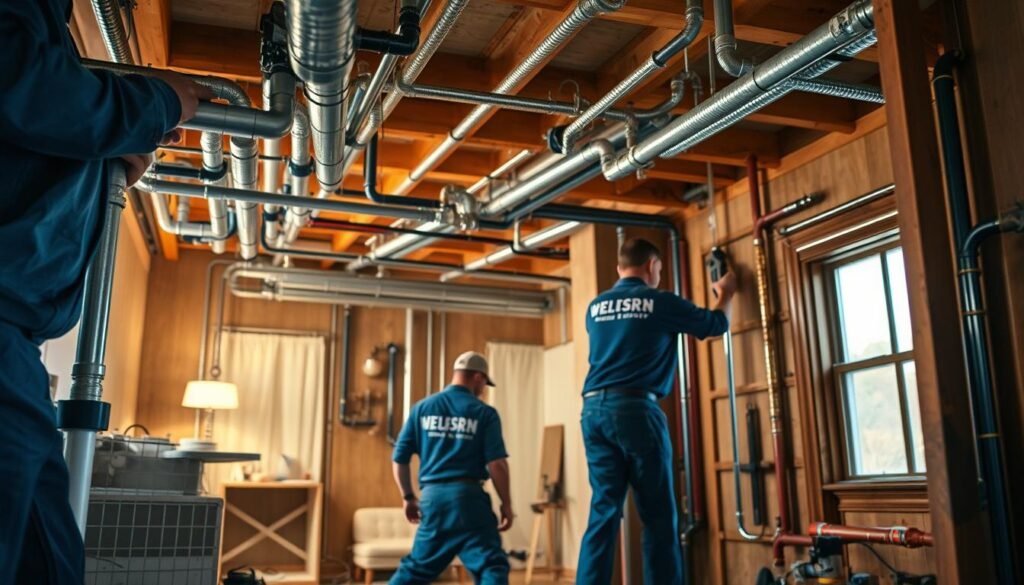
Types of Piping Materials
Today, you can choose from different materials for your pipes. Each has its own benefits for your home:
- Copper: It’s durable and fights off germs. Copper pipes can last over 50 years and handle high water pressure.
- PEX (Cross-linked Polyethylene): It’s flexible, doesn’t freeze easily, and is affordable. PEX is popular in Southern California for its ease of use and resistance to mineral buildup.
- CPVC (Chlorinated Polyvinyl Chloride): It’s good at handling hot water and is affordable. CPVC is a rigid plastic that resists corrosion.
- PVC: It’s mostly used for drain lines. PVC is cheap and can handle most household chemicals.
- Stainless Steel: It’s for special cases where you need pipes that last a long time. Stainless steel is very resistant to corrosion but is more expensive.
Signs Your Home Needs Repiping
Knowing when your plumbing needs a replacement can help you plan your remodel better. This way, you avoid costly repairs later.
Watch out for these signs that your home might need new pipes:
- Discolored water: If your water looks rusty or brown, it might mean your pipes are corroding, which is common in older homes.
- Frequent leaks: If you’re always fixing leaks, your plumbing system might be failing.
- Inconsistent water pressure: If your water pressure keeps changing, it could be due to corroded or narrowed pipes.
- Visible corrosion: Green stains on copper or rust on steel pipes mean your pipes are deteriorating.
- Increasing water bills: If your water bills keep going up, it could be because of hidden leaks in your walls or foundation.
Homes built before 1970 with old plumbing are good candidates for repiping. Also, many homes from the 1970s to the 1990s in Corona and Riverside County have pipes that fail often and need to be replaced.
Fixing these problems during a remodel is cheaper than waiting for an emergency. When your walls and floors are already open, replacing pipes is easier and less expensive.
Benefits of Repiping During a Remodel
Planning a home renovation? Consider adding a repiping project to your list. This combo can boost your living space and property value. It’s a smart move that saves time, money, and future plumbing troubles. Many homeowners in the Inland Empire are catching on to this strategy.
Repiping brings modern plumbing to older homes. You’ll get better water pressure, fewer leaks, and systems that meet today’s needs. Let’s dive into why repiping is a wise choice during a remodel.
Increased Property Value
Updated plumbing is a big plus for home buyers. It shows your home is well-maintained and can save you money. Industry experts say you could see an 80-85% return on your investment.
Real estate pros say homes with new plumbing sell faster and for more money. This is true in San Bernardino and Riverside Counties, where many homes have outdated pipes.
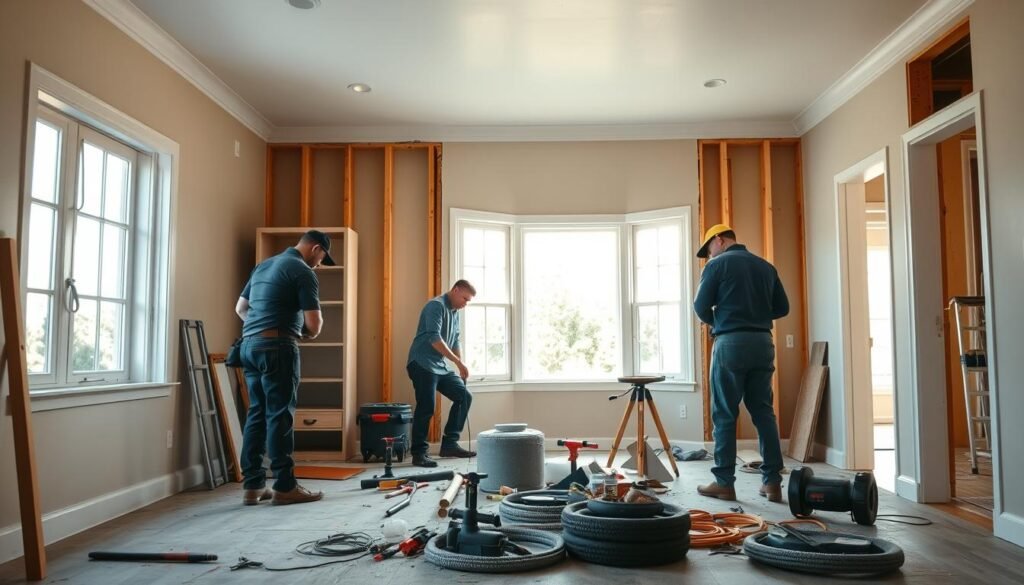
For business owners, updated plumbing is even more valuable. It cuts down on maintenance costs and plumbing emergencies. This means better lease terms and higher rental income.
Improved Water Quality
Older pipes, like galvanized steel, corrode and contaminate your water. This can make your water taste bad and be unsafe. New pipes, like copper and PEX, don’t leach chemicals into your water.
Modern pipes mean cleaner, better-tasting water. This is a big plus for families and people with health issues. It’s one of the best reasons to upgrade your plumbing.
Places like restaurants and healthcare facilities also benefit from clean water. It improves food prep, drinks, and medical care. Plus, it protects expensive equipment from damage.
Enhanced Energy Efficiency
New pipes are better insulated than old ones. This means your water heater works less hard, saving you money. In the Inland Empire, you could save 10-15% on water heating each year.
Modern plumbing also ensures the right pipe size for better water flow. This cuts down on water waste and saves you money on utilities. Many homeowners see a big drop in their bills after repiping.
Plus, new pipes resist mold and mildew better than old ones. This improves your indoor air quality and reduces the need for chemicals. It makes your home or office a healthier place.
| Benefit Category | Old Piping Systems | New Piping Systems | Impact on Property |
|---|---|---|---|
| Property Value | Potential liability during inspection | Selling point for buyers | 80-85% ROI possible |
| Water Quality | Rust, lead, and contaminant risks | Clean, pure water throughout | Improved health and taste |
| Energy Efficiency | Poor insulation, heat loss | Better insulation, optimal flow | 10-15% reduction in heating costs |
| Convenience | Separate project, more disruption | Combined with remodel, less disruption | Reduced overall project time and cost |
Repiping with your remodel is convenient. You won’t have to open walls and floors again. This saves you money and reduces project time. For businesses, it means less disruption and more revenue.
Wondering if repiping is right for your home? Call Local Plumbers 4 U at 909-378-9322. Our experts can assess your plumbing and explain the benefits of upgrading during your remodel.
When to Consider Repiping During Your Remodel
Deciding to repipe during a home renovation is a big choice. It’s important to think about several key factors. Not every renovation needs a full pipe replacement. Knowing when to do it can save money and keep your plumbing working well for years.
Many homeowners think about repiping when remodeling because it’s easier to access pipes. This way, you avoid extra demolition costs and less disruption to your home.
Key Factors to Evaluate
The age of your plumbing system is a big factor. Homes built before 1970 in Corona and nearby areas often need repiping. These older systems use materials that may not last much longer.
The type of pipes you have also matters. Different materials last different lengths of time in Southern California:
| Pipe Material | Average Lifespan | Signs of Failure | Replacement Priority |
|---|---|---|---|
| Galvanized Steel | 40-50 years | Rust, low water pressure, discoloration | High |
| Copper | 50+ years | Pinhole leaks, green staining | Medium |
| PEX | 40-50 years | Cracking, UV damage | Low |
| Cast Iron | 75-100 years | Flaking, cracking, rust buildup | High |
| PVC/CPVC | 30-40 years | Brittleness, cracking at joints | Medium |
Water quality is also important. Hard water can make pipes wear out faster. If you notice low water pressure or discolored water, it might be time to replace your pipes.
Think about the scope of your remodel. If you’re already planning to open up walls and floors, adding pipe retrofitting can be more affordable than a full repiping project.
Cost Considerations
Repiping during a remodel can be expensive. But, it’s a big investment that can save you money in the long run. A whole-house repiping project can cost between $4,000 and $15,000, depending on several factors.
How much work you do yourself can affect the cost. Replacing old pipes is a lot of work. But, doing it during a remodel can save you 20-30% compared to doing it later.
Here are some ways to save money on your remodel plumbing project:
- Do demolition work for both projects at once
- Apply for a single permit
- Save on labor costs for restoration
- Get discounts on materials
- Avoid emergency repiping costs later
While the initial cost may seem high, the benefits of new plumbing are worth it. It can prevent costly water damage, lower your water bills, and increase your home’s value.
Local Plumbing Codes and Regulations
Before starting any repiping work, learn about local plumbing codes. Corona and nearby areas have specific rules for pipe materials, installation, and inspections.
Many places require permits for big plumbing changes. Working with a licensed plumber ensures you follow these rules and avoid costly mistakes later.
Some key things to consider include:
- Permit requirements for plumbing changes
- Approved pipe materials for your area
- Inspections needed during installation
- Backflow prevention rules
- Water pressure regulations
Local building departments can help with code information. Or, you can talk to a professional plumber who knows about remodel plumbing. They can help you meet all the requirements and make your plumbing system efficient and reliable.
“The best time to replace your pipes is when you’re already planning to open up walls or floors for other renovation work. This approach minimizes disruption and maximizes value.”
Choosing to repipe during a remodel is a big decision. It’s about weighing the costs now against the long-term benefits and following local rules. With careful planning and expert advice, you can upgrade your home’s plumbing system effectively.
FAQs About Home Repiping During a Remodel
Thinking about adding repiping services to your home renovation? You might have some questions. Here are answers to common questions about repiping during a remodel.
How Long Does the Repiping Process Take?
In the Inland Empire, repiping a home usually takes 2-4 days. The actual installation of pipes takes 1-2 days. More time is needed for inspections and finishing touches. The exact time depends on your home’s size and plumbing system’s complexity.
What Are the Costs Involved?
Repiping costs vary based on your home’s size, pipe material, and plumbing access. Doing it with your remodel can save 15-30% compared to a standalone project. Get quotes from licensed plumbers to ensure fair prices for quality work.
How Can Local Plumbers 4 U Help?
Local Plumbers 4 U excels in coordinating repiping with remodels. Our licensed team assesses your plumbing, suggests materials, and plans a timeline. We offer free consultations and detailed quotes for all repiping projects.
Want to talk about your repiping needs? Call us at 909-378-9322 for a consultation. Proper repiping now will safeguard your remodeled home from future plumbing issues and ensure reliable water for years.