
The most common emergency plumbing problems involve water leaks, sewer issues, and loss of essential plumbing services. Recognizing these problems early helps limit damage and repair costs. When plumbing emergencies strike, quick action can make the difference between a minor inconvenience and major property damage.
Emergency plumbing problems are situations that pose immediate risks to your property, health, or daily function. These issues typically involve active water flow, contamination risks, or complete system failures that cannot wait for regular business hours. In the Inland Empire region, with its mix of newer developments and aging infrastructure, homeowners face unique challenges from seasonal temperature fluctuations and varying soil conditions that can stress plumbing systems.
What plumbing issues are considered true emergencies?
True plumbing emergencies include burst pipes, major water leaks, sewer backups, gas line issues, and complete loss of water service. These situations typically involve active water damage, health hazards, or make the property uninhabitable.
Can emergency plumbing problems cause significant property damage?
Yes, emergency plumbing problems can cause extensive property damage. Water from burst pipes can damage flooring, walls, electrical systems, and personal belongings. Sewer backups create health hazards and contamination. Even small leaks can lead to mold growth and structural damage if not addressed promptly.
When should I call an emergency plumber?
Call an emergency plumber when you have active water leaks that can’t be stopped by shutting off a local valve, sewage backups, no water service, or gas odors. If the situation poses immediate risks to your property or health, don’t wait for regular business hours.
How quickly do emergency plumbing problems escalate?
Emergency plumbing problems can escalate within minutes to hours. A burst pipe can release hundreds of gallons of water in just an hour. Sewage backups immediately create health hazards. The longer these issues remain unaddressed, the more extensive and expensive the damage becomes.
The Most Common Emergency Plumbing Problems
Understanding the most common emergency plumbing problems helps you recognize when immediate professional attention is needed. These situations typically can’t wait for regular business hours and require prompt intervention to prevent property damage and health risks.
Burst pipes can release hundreds of gallons of water in a short time, causing extensive damage
Burst Pipes
Burst pipes represent one of the most destructive emergency plumbing problems homeowners face. When pipes burst, they can release hundreds of gallons of water in a short period, quickly flooding rooms and damaging walls, flooring, and belongings. In the Inland Empire region, pipes are particularly vulnerable during temperature fluctuations when expanding and contracting can stress older plumbing systems.
Warning signs of an impending pipe burst include unusual sounds like banging or rattling within walls, decreased water pressure, discolored water, or damp spots on walls and ceilings. If you notice these signs, it’s crucial to contact a professional plumber before the situation escalates to a full burst. When a pipe does burst, immediately shut off your main water valve and contact an emergency plumber to minimize damage.
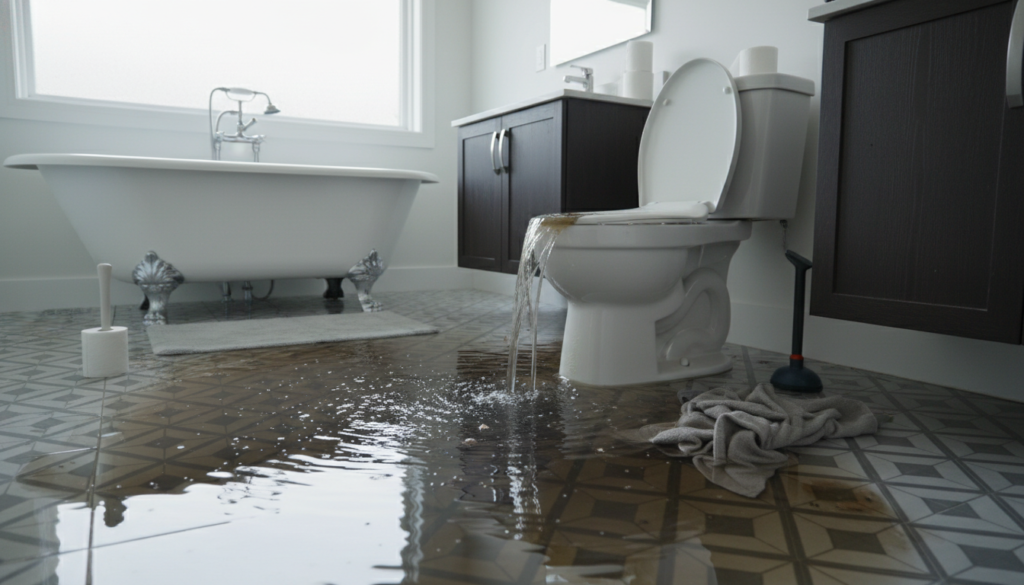
Sewage backups create immediate health hazards and require professional intervention
Sewer Backups
Sewer backups occur when wastewater reverses direction and flows back into your home through drains, toilets, or tubs. This emergency plumbing problem creates immediate health hazards due to exposure to harmful bacteria and pathogens. Common causes include main line blockages from tree roots, accumulated grease, or foreign objects flushed down toilets.
Signs of a sewer backup include multiple drains clogging simultaneously, gurgling sounds from drains, foul odors, and water backing up in unusual places (like water appearing in your tub when you flush the toilet). According to the American Society of Plumbing Engineers, sewer backups are among the most hazardous plumbing emergencies due to contamination risks. If you suspect a sewer backup, avoid using any plumbing fixtures and call for professional help immediately.
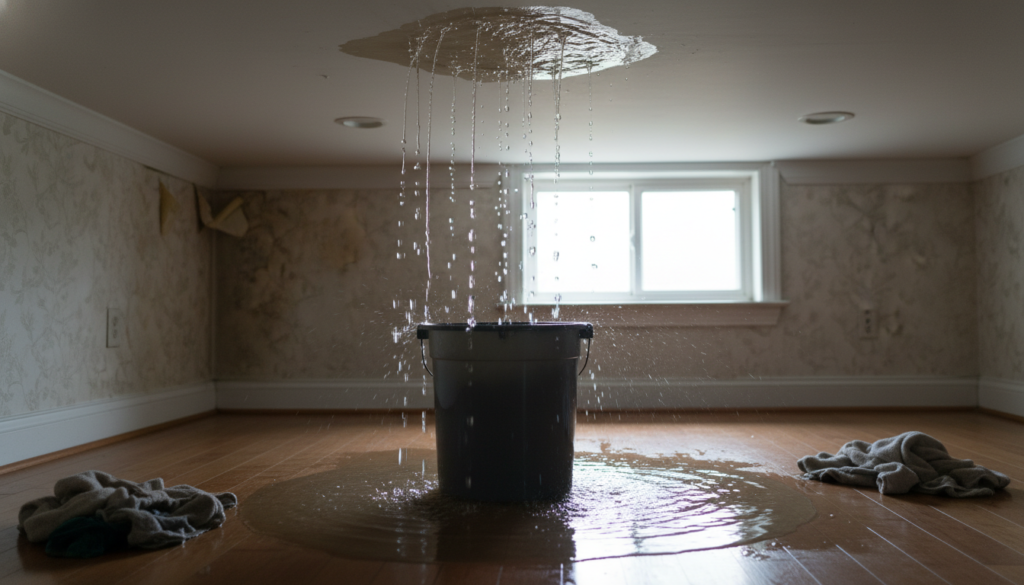
Major leaks can cause structural damage and create conditions for mold growth
Major Leaks
Major leaks differ from small drips by the volume of water released and their potential for rapid damage. These emergency plumbing problems often occur at pipe joints, around water heater connections, or where pipes have corroded. In commercial properties, major leaks can disrupt business operations and damage inventory or equipment.
You may discover a major leak through visible water, the sound of running water when no fixtures are in use, unexplained increases in water bills, or a water meter that continues running even when all water is turned off. Major leaks require immediate attention to prevent structural damage, mold growth, and water waste. If you discover a significant leak, try to contain the water with buckets while shutting off the nearest water valve, then call for emergency plumbing service.
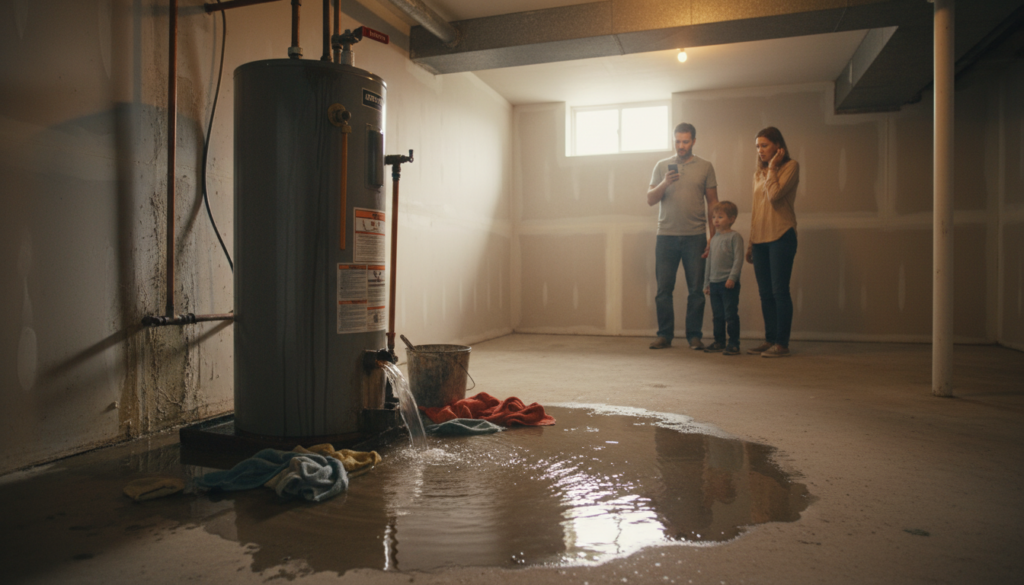
Water heater failures often result in significant flooding and loss of hot water
Water Heater Failures
Water heater failures constitute emergency plumbing problems when they involve leaking tanks, pressure relief valve failures, or gas line issues. A failing 40-50 gallon water heater can quickly flood a utility room or garage. Additionally, the sudden loss of hot water affects essential household functions like bathing and dishwashing.
Warning signs include rumbling noises, rusty water, fluctuating water temperatures, or visible moisture around the unit. Water heaters in the Inland Empire region often work harder due to mineral-rich water, which can accelerate wear on components. If your water heater is leaking from the tank itself (rather than connections), this indicates a serious failure requiring immediate replacement. For gas water heaters, any smell of gas constitutes an emergency requiring immediate evacuation and professional assistance.
Why These Plumbing Issues Become Emergencies
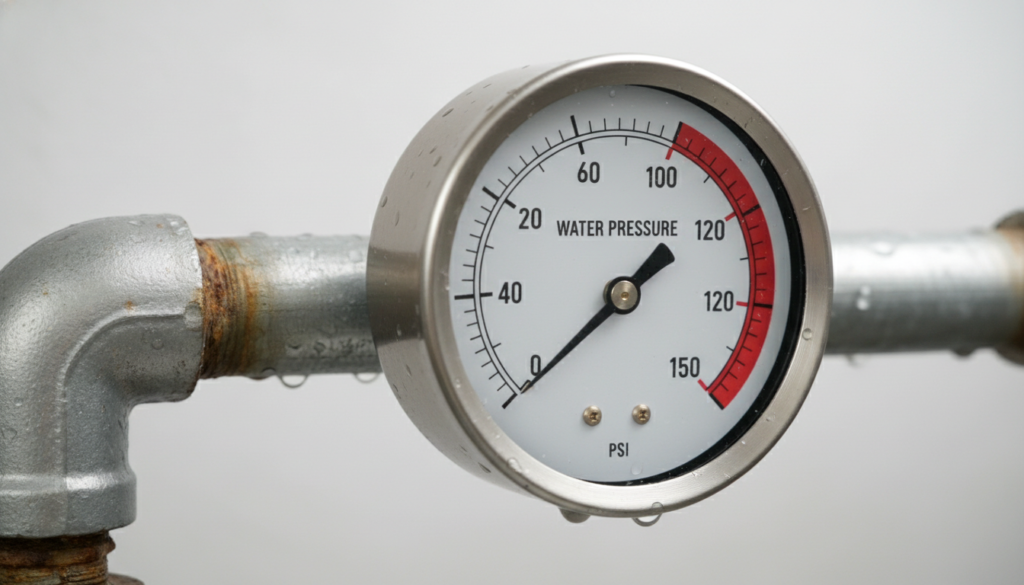
High water pressure can stress plumbing systems and lead to failures
Plumbing emergencies develop from a combination of pressure, contamination risks, and structural vulnerabilities. Understanding these factors helps explain why prompt professional intervention is essential.
Water Pressure Issues
Municipal water systems deliver water under pressure, typically between 40-80 psi. When pipes weaken from age or corrosion, this pressure can cause sudden failures. Even small cracks can release gallons of water per minute. Pressure-related emergencies often occur at joints, bends, or where pipes have thinned over time.
Contamination Risks
Sewage contains harmful bacteria, viruses, and pathogens that pose immediate health hazards. When backups occur, these contaminants enter living spaces, creating unsafe conditions. According to the Plumbing-Heating-Cooling Contractors Association, sewage contamination requires professional cleaning and sanitization to restore safe living conditions.
Structural Damage Potential
Water quickly damages building materials. Drywall absorbs water and loses structural integrity. Wood swells and warps. Insulation becomes waterlogged and ineffective. Electrical systems short circuit. The longer water remains, the more extensive the damage becomes, often extending beyond visible areas into wall cavities and under flooring.
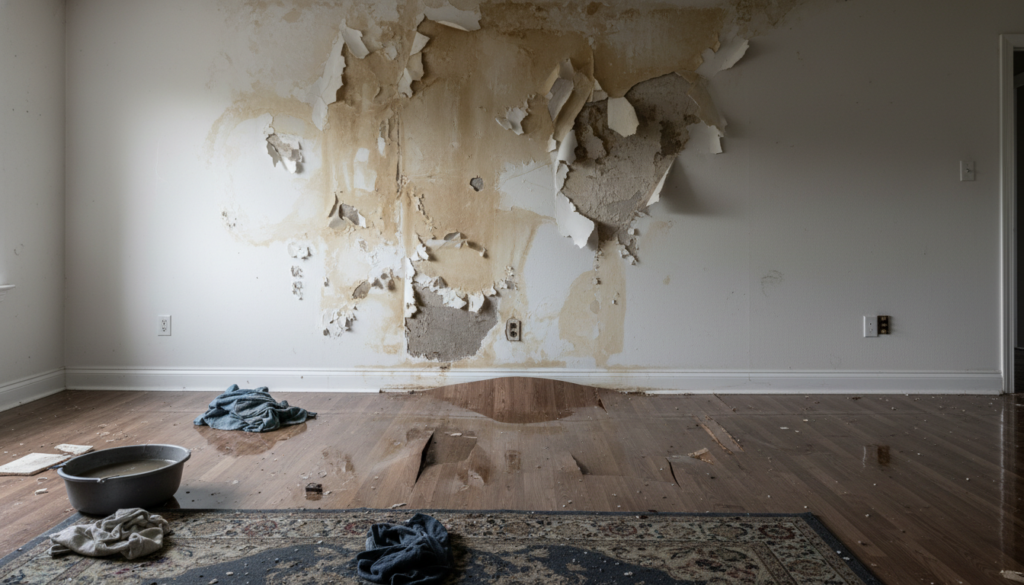
Water damage quickly affects drywall, flooring, and structural elements
The emergency nature of these plumbing problems stems from their rapid escalation. What begins as a small leak can quickly become a flooding situation. Sewage backups create immediate health hazards. Loss of water service affects essential daily functions. These situations cannot wait for regular business hours without risking significant property damage or creating unsafe living conditions.
How Emergency Plumbing Problems Affect Homes and Businesses
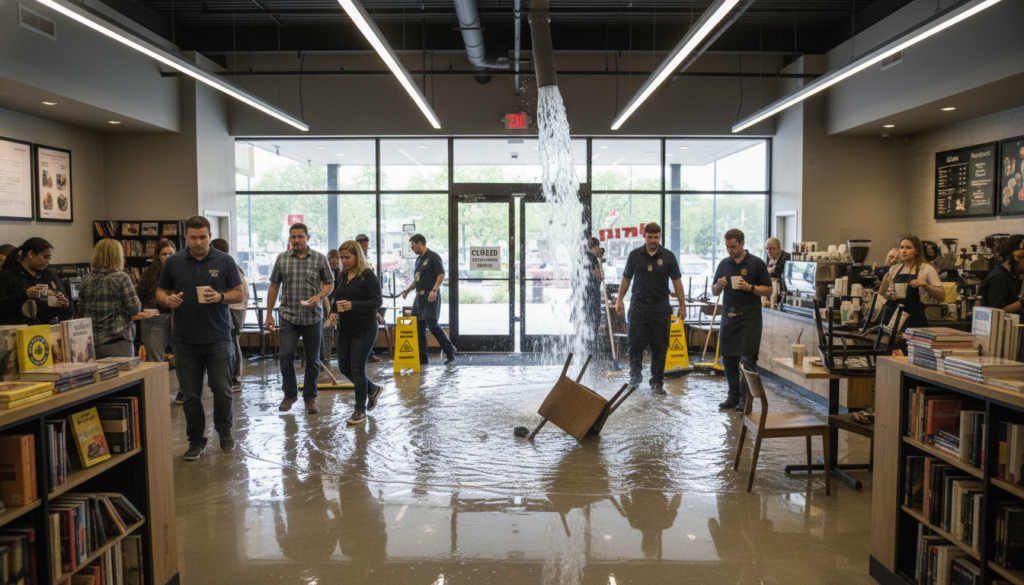
Plumbing emergencies in commercial settings can disrupt operations and affect revenue
Emergency plumbing problems impact residential and commercial properties differently, though both face significant consequences when these issues arise.
| Impact Factor | Residential Properties | Commercial Properties |
| Immediate Effects | Property damage, disruption of daily activities, potential displacement | Business interruption, customer safety concerns, inventory/equipment damage |
| Scale of Damage | Typically limited to household areas, affecting personal belongings | Often larger scale, affecting multiple units, inventory, or specialized equipment |
| Financial Impact | Repair costs, potential insurance claims, temporary housing expenses | Revenue loss, liability concerns, business interruption costs, higher repair expenses |
| Recovery Time | Days to weeks depending on damage extent | Business disruption can extend longer due to permitting, inspections, and code requirements |
In both residential and commercial settings, the impact of emergency plumbing problems extends beyond the immediate water damage. Mold can begin growing within 24-48 hours in damp environments, creating long-term health concerns and additional remediation costs. Electrical systems affected by water may require extensive rewiring. Structural elements like subfloors, joists, and wall studs may need replacement if water damage is severe.
For Inland Empire businesses, plumbing emergencies can be particularly challenging during peak tourist seasons or high-demand periods. Restaurants, hotels, and retail establishments face not only property damage but also reputation impacts when forced to close due to plumbing failures. Commercial property owners should have emergency response plans that include immediate access to professional plumbing services.
Preventing Emergency Plumbing Situations
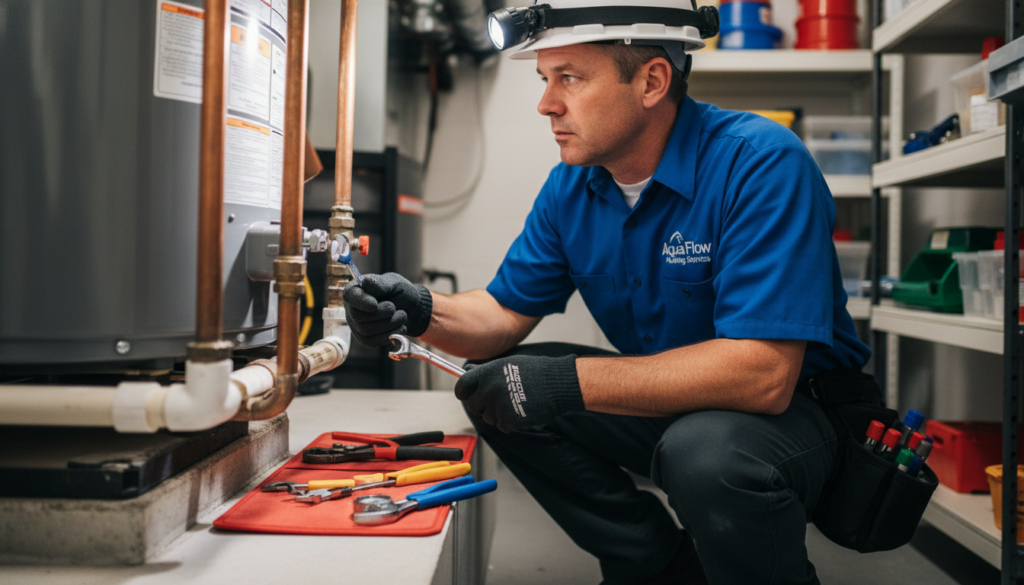
Regular professional inspections can identify potential issues before they become emergencies
While not all emergency plumbing problems can be prevented, proactive maintenance significantly reduces their likelihood. Implementing these preventive measures helps protect your property from unexpected plumbing disasters.
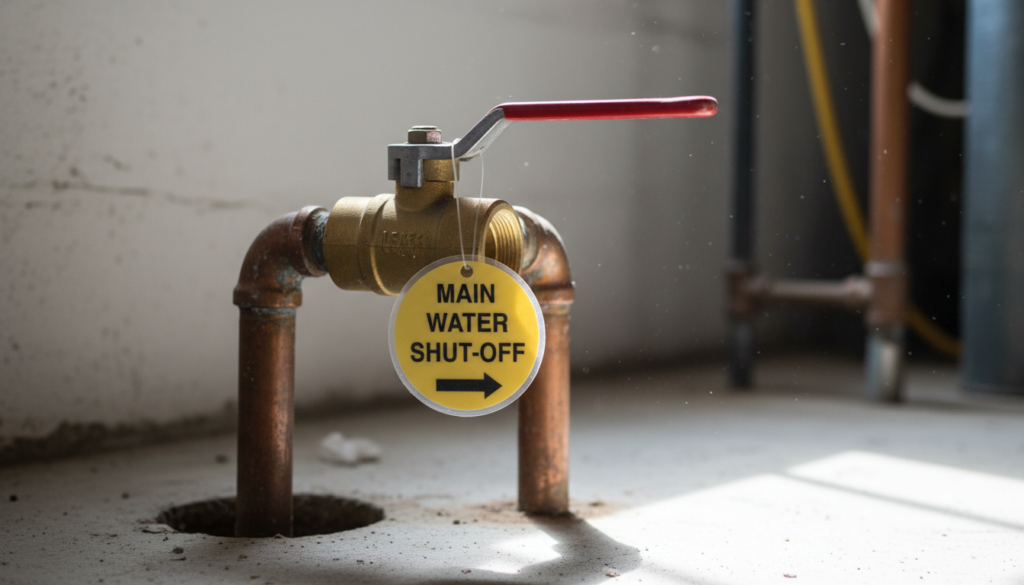
Knowing the location of your main water shut-off valve is essential during plumbing emergencies
For commercial property owners, additional preventive measures include installing water leak detection systems, implementing regular maintenance schedules for high-use facilities like restrooms, and developing emergency response protocols for staff. These investments in prevention are far less costly than emergency repairs and business interruption.
Schedule a Preventive Plumbing Inspection
The best way to avoid emergency plumbing problems is through regular professional inspections. Our licensed plumbers can identify potential issues before they become costly emergencies.
Service Areas We Cover
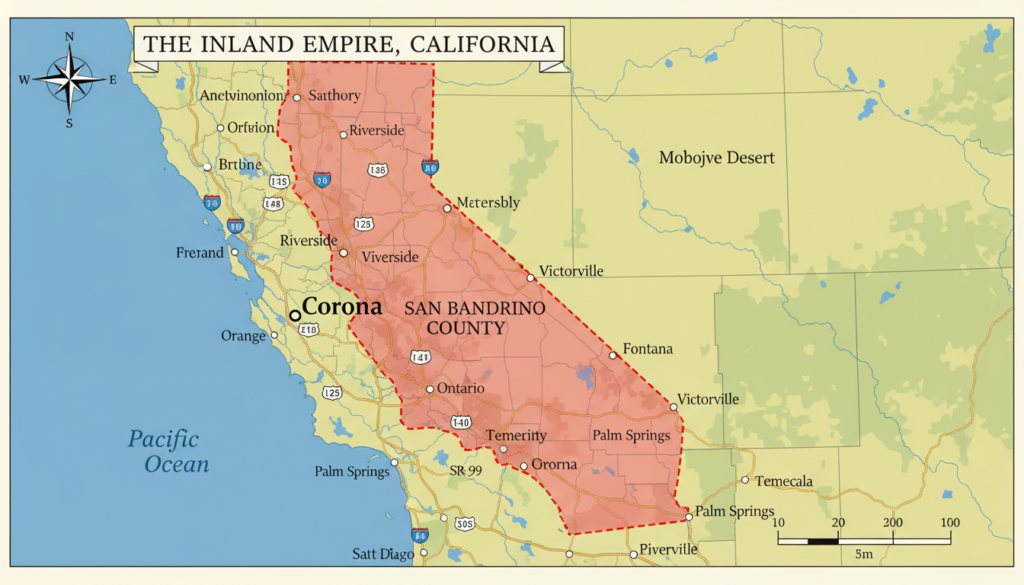
Local Plumbers 4 U serves the entire Inland Empire region
Local Plumbers 4 U provides emergency plumbing services throughout the Inland Empire region, addressing urgent plumbing problems for both residential and commercial properties. Our service area includes:
Corona
Our team responds quickly to emergency plumbing problems throughout Corona, including South Corona, North Corona, and surrounding neighborhoods. We understand the unique plumbing challenges faced by Corona homeowners, from older systems in established neighborhoods to modern plumbing in newer developments.
Riverside County
We serve all Riverside County communities, including Riverside, Moreno Valley, Temecula, Murrieta, and Hemet. Our plumbers are familiar with the diverse plumbing systems found throughout the county, from historic homes to new construction, and can address emergency plumbing issues in any setting.
San Bernardino County
Our emergency plumbing services extend throughout San Bernardino County, including San Bernardino, Rancho Cucamonga, Ontario, Fontana, and Redlands. We respond promptly to urgent plumbing problems in both residential neighborhoods and commercial districts throughout the county.
Regardless of your location within the Inland Empire, our emergency plumbers arrive equipped with the tools, parts, and expertise needed to address your urgent plumbing problems. We understand the regional factors that affect plumbing systems in Southern California, from hard water issues to seasonal temperature fluctuations that can stress pipes and fixtures.
Emergency Plumbing FAQs
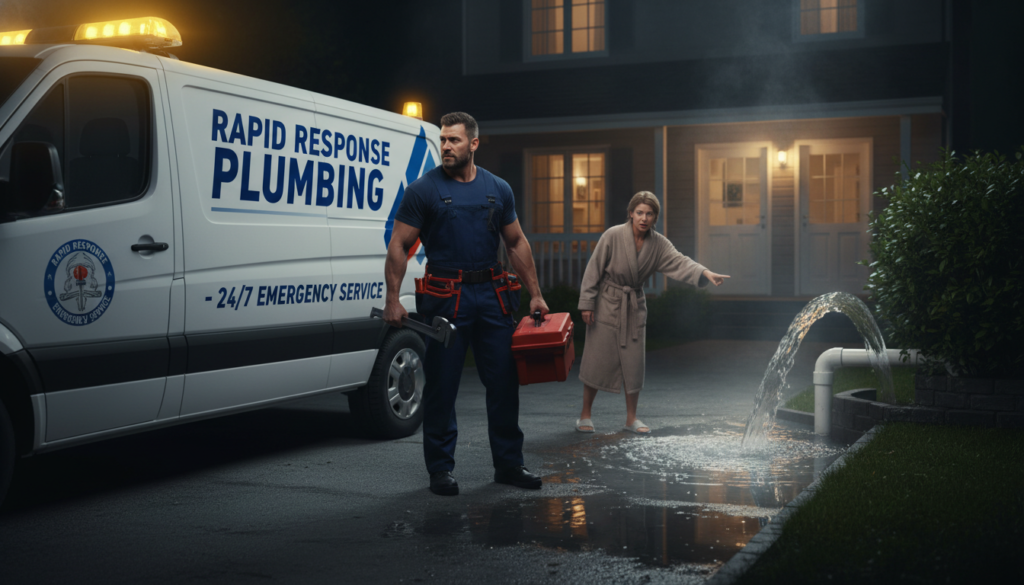
Our emergency plumbers respond 24/7 to urgent plumbing situations
How quickly can an emergency plumber arrive after I call?
For true emergency plumbing problems, our response time typically ranges from 30 minutes to 2 hours, depending on your location within the Inland Empire and current service demand. We prioritize situations involving active water leaks, sewage backups, and complete service loss to minimize property damage and safety risks.
What should I do while waiting for an emergency plumber to arrive?
While waiting for professional help with emergency plumbing problems, shut off the water supply to the affected area or at the main valve if necessary. Move valuable items away from water, and use buckets to catch active leaks. For sewage backups, avoid using any plumbing fixtures. Document the damage with photos for insurance purposes if possible.
Are emergency plumbing services more expensive than regular appointments?
Emergency plumbing services typically have higher rates than scheduled appointments, particularly for after-hours, weekend, or holiday calls. However, the cost of delaying repairs for true emergency plumbing problems often far exceeds the premium for immediate service when considering potential property damage and secondary issues like mold growth.
Does insurance cover emergency plumbing repairs?
Homeowners insurance typically covers sudden and accidental water damage from plumbing failures, but policies vary significantly. Most policies cover damage caused by burst pipes or sudden leaks but may not cover the repair of the plumbing issue itself. Gradual leaks or damage from lack of maintenance is generally not covered. We recommend documenting all damage and contacting your insurance provider promptly.
How can I tell if my plumbing issue is truly an emergency?
Plumbing issues qualify as emergencies when they: 1) Cause active water damage that cannot be stopped by shutting off a local valve, 2) Create health hazards like sewage backups, 3) Completely disrupt essential services like water supply or drainage, or 4) Involve gas leaks or risks to safety. Issues like dripping faucets, minor clogs, or running toilets that can be temporarily shut off typically don’t constitute emergencies.
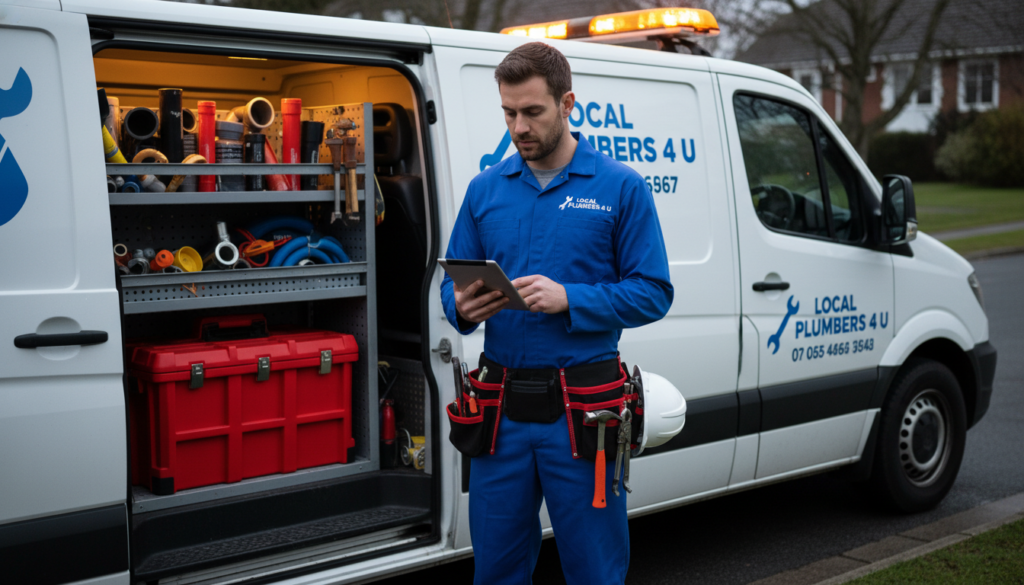
Local Plumbers 4 U responds to emergency plumbing problems throughout the Inland Empire
Emergency plumbing problems require prompt, professional attention to minimize damage and restore essential services. By recognizing the signs of serious plumbing issues and knowing when to call for help, you can protect your property from extensive damage and avoid unnecessary expenses. For homeowners and businesses throughout Corona, Riverside County, San Bernardino County, and the entire Inland Empire, Local Plumbers 4 U provides reliable emergency plumbing services when you need them most.
Emergency Plumbing Help When You Need It Most
Don’t let emergency plumbing problems cause extensive damage to your property. Our licensed plumbers are ready to respond 24/7 throughout the Inland Empire.