
The early signs of a slab leak are often subtle, but ignoring them can lead to structural damage, rising water bills, and foundation instability. Recognizing these warning signals early helps prevent costly repairs and long-term property damage.
A slab leak occurs when water pipes beneath your home’s concrete foundation develop leaks. These hidden plumbing problems are particularly common in Southern California homes built on concrete slabs. While not all slab leaks immediately threaten your home’s structure, many will gradually worsen if left unaddressed, potentially causing thousands in damage.
At Local Plumbers 4 U, we’ve helped countless homeowners across the Inland Empire identify and repair slab leaks before they escalate into major problems. Understanding the early warning signs can make all the difference in protecting your property. For comprehensive solutions to detect and address any water leaks in your home, visit our water leak detection page.
What is usually the first sign of a slab leak?
The most common first indicator is an unexplained increase in your water bill despite normal usage patterns. Other early signs include warm spots on your floor (for hot water line leaks), the sound of running water when no fixtures are in use, and damp areas on your flooring.
How do I know if water is leaking under my foundation?
Check for damp or warm spots on your floor, unexplained increases in water bills, the sound of running water when all fixtures are off, and moisture or mold around the edges of your flooring. You can also monitor your water meter with all water turned off to see if it continues to register movement.
Can a slab leak be silent?
Yes, many slab leaks are completely silent, especially in their early stages. Small leaks may not produce audible running water sounds and can go undetected for months while causing gradual damage beneath your home.
Does a slab leak affect water pressure?
Yes, a significant slab leak can reduce water pressure throughout your home. If you notice a sudden drop in water pressure without any other explanation, it could indicate water escaping from your plumbing system beneath the foundation.
Can mold develop from a slab leak?
Absolutely. The constant moisture from a slab leak creates ideal conditions for mold and mildew growth. This can occur beneath flooring, inside walls, or anywhere the moisture from the leak reaches, potentially causing health issues for your family.
When should I call a plumber about a suspected slab leak?
You should contact a professional plumber immediately if you notice any combination of the early warning signs: unexplained high water bills, warm/damp floor spots, sounds of running water, decreased water pressure, or visible cracks in your flooring or walls.
Common Early Signs of a Slab Leak
Thermal imaging can help detect warm spots on floors caused by hot water line leaks
Warm or Damp Spots on Floors
One of the most reliable early signs of a slab leak is the presence of warm or damp spots on your floor. Hot water line leaks create noticeable warm areas on your flooring, particularly detectable when walking barefoot. Cold water line leaks often manifest as damp or wet spots that persist even after cleaning.
These spots occur because water from the leaking pipe rises through the concrete slab and reaches your flooring. In homes with carpet, you might notice unexplained damp areas or musty odors. With hardwood or laminate flooring, you may see warping, discoloration, or buckling.
Unexplained Spike in Water Bills
A sudden increase in your water bill without a corresponding change in water usage is a classic slab leak warning sign. Even small leaks can waste hundreds of gallons of water monthly, resulting in noticeable bill increases.
To determine if a higher bill might indicate a slab leak, compare your current water usage with the same period from previous years. Seasonal variations are normal, but unexplained increases warrant investigation.
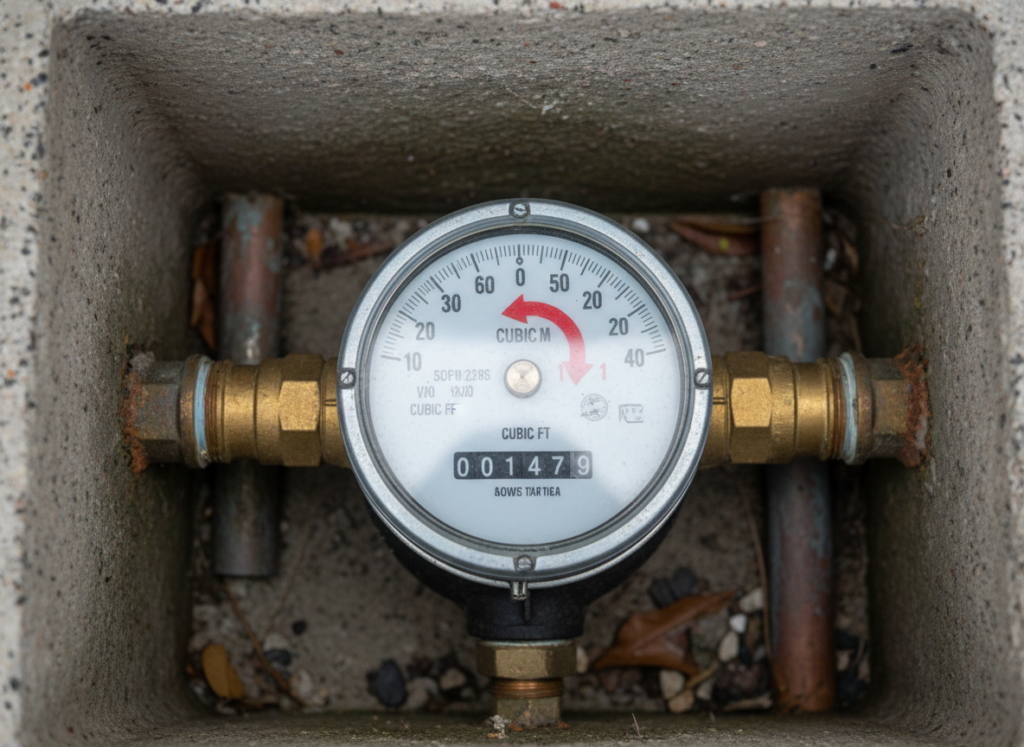
Check your water meter with all fixtures off to detect hidden leaks
Sound of Running Water When Pipes Are Off
If you hear the sound of running water when no fixtures or appliances are in use, this could indicate a slab leak. To check, turn off all water-using appliances and fixtures in your home, then listen carefully near the floor in quiet areas of your house.
A hissing, whistling, or rushing sound may indicate water escaping from a pressurized pipe beneath your foundation. This sign is particularly telling when combined with other symptoms like increased water bills or damp floors.
Cracks in Flooring or Walls
As water from a slab leak saturates the soil beneath your foundation, it can cause the ground to expand or erode. This soil movement often leads to foundation shifting, which manifests as cracks in your flooring, walls, or even the foundation itself.
Look for new or expanding cracks, especially those that appear suddenly. While minor settling cracks are normal in many homes, rapid crack development or widening existing cracks may indicate a slab leak is affecting your foundation.

Foundation movement from slab leaks often causes visible wall cracks
Musty Odors
Persistent moisture from slab leaks creates ideal conditions for mold and mildew growth. If you notice musty, damp odors in your home that don’t dissipate with cleaning, a hidden water leak may be the culprit.
These odors are often strongest near the floor or in corners where water may accumulate. Mold from slab leaks commonly develops beneath flooring materials, inside walls, or in the space between your foundation and floor coverings.
Reduced Water Pressure
A significant drop in water pressure throughout your home can indicate a slab leak. When water escapes from your plumbing system beneath the foundation, less water reaches your fixtures, resulting in weaker flow from faucets and showerheads.
If you’ve noticed gradually decreasing water pressure that affects multiple fixtures, especially when combined with other slab leak symptoms, it’s time to contact a professional for an inspection.
Suspect a Slab Leak in Your Home?
Don’t wait for minor signs to become major problems. Our expert technicians can detect and confirm slab leaks with specialized equipment.
Why Slab Leaks Often Go Undetected
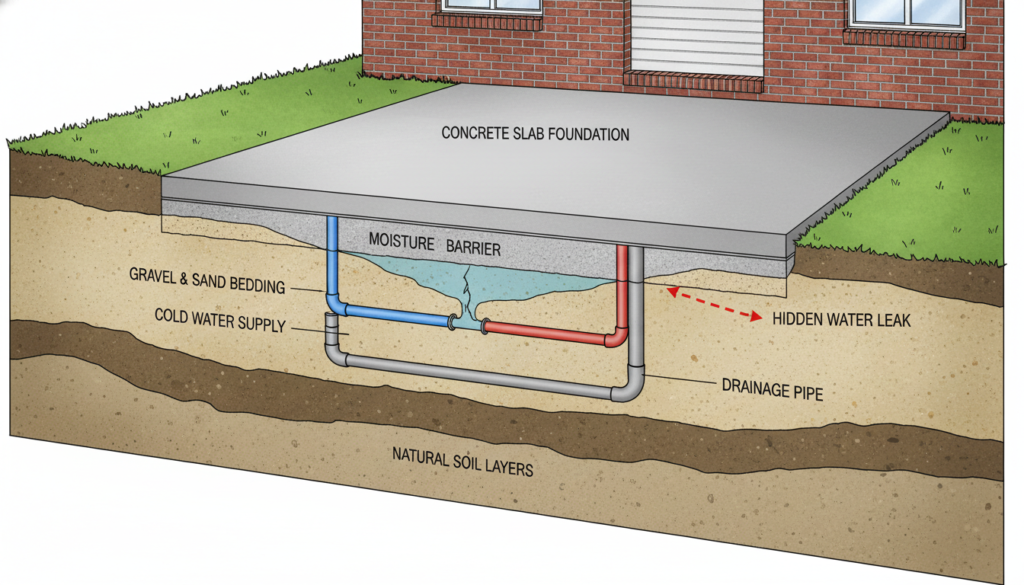
Concrete slabs effectively hide water leaks until significant damage occurs
Concrete Coverage
The primary reason slab leaks remain hidden is the thick layer of concrete covering your plumbing. Most residential slabs are 4-6 inches thick, effectively concealing and muffling any signs of leakage. Water must saturate through this substantial barrier before becoming visible, which can take weeks or months depending on the leak’s severity.
Soil Absorption
When water leaks beneath your foundation, the surrounding soil often absorbs much of the moisture before it becomes apparent inside your home. Southern California’s clay-heavy soils can absorb significant amounts of water, masking the leak’s presence until the soil becomes fully saturated. By this point, considerable damage may have already occurred to your foundation.
Slow Pressurized Leaks
Many slab leaks begin as tiny pinhole openings in your pipes. These small leaks release water slowly but continuously, making them difficult to detect through conventional means. Even a leak the size of a pinhead can waste thousands of gallons annually while gradually undermining your foundation.
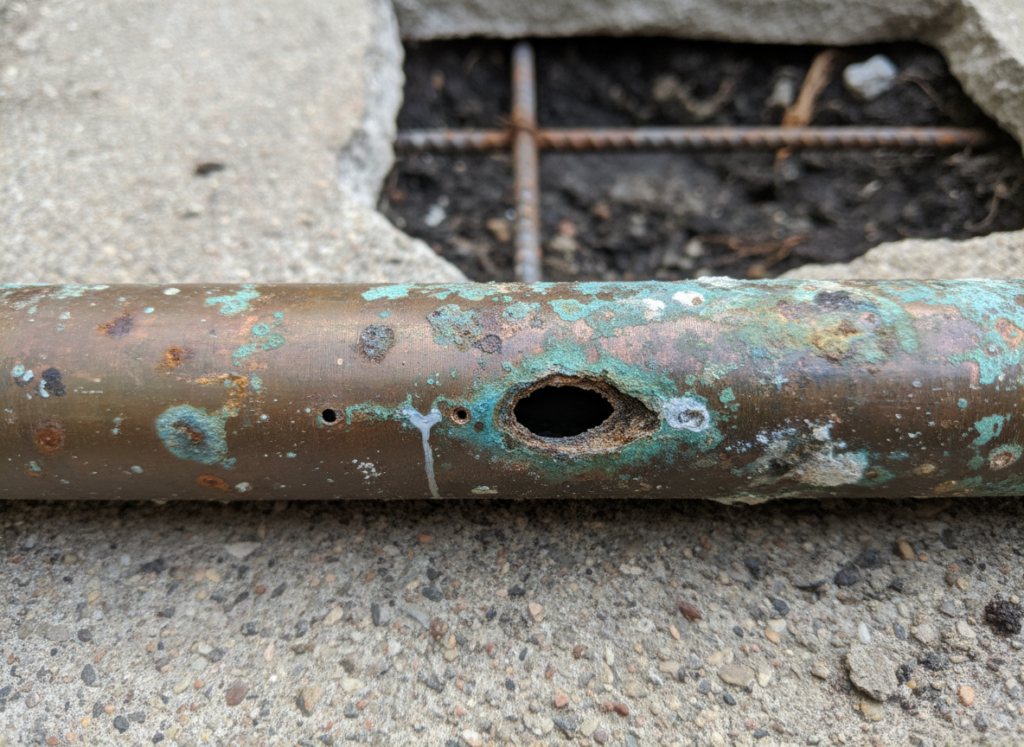
Pinhole leaks in copper pipes are a common cause of slab leaks
Hidden Copper Pipe Corrosion
In many Southern California homes, copper pipes run beneath the foundation. These pipes can corrode over time due to soil chemistry, water quality, or electrolysis. This corrosion process happens invisibly beneath your home, gradually weakening pipes until they develop leaks. By the time symptoms appear inside your home, the pipe damage is often extensive.
Understanding why slab leaks remain hidden highlights the importance of recognizing early warning signs. At Local Plumbers 4 U, we recommend periodic professional inspections for homes over 20 years old, as they’re particularly susceptible to developing these hidden leaks.
How Early Slab Leaks Progress Over Time
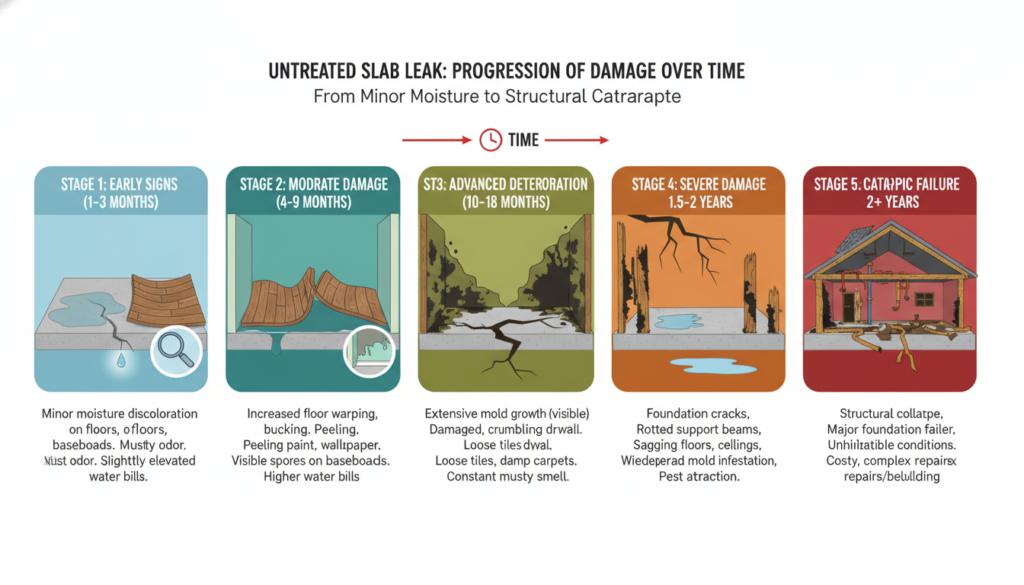
The progression of damage from an untreated slab leak over time
Soil Erosion
The first stage in slab leak progression involves soil erosion beneath your foundation. As water continuously leaks from pipes, it creates channels in the soil, washing away supporting material. This erosion is particularly problematic in Southern California’s expansive clay soils, which can dramatically shrink and swell with moisture changes.
Slab Shifting
Once soil erosion becomes significant, your concrete slab may begin to shift or settle unevenly. This movement often starts subtly—perhaps a slight slope in your floor or doors that no longer close properly. As the leak continues, this shifting becomes more pronounced, potentially causing significant structural issues throughout your home.
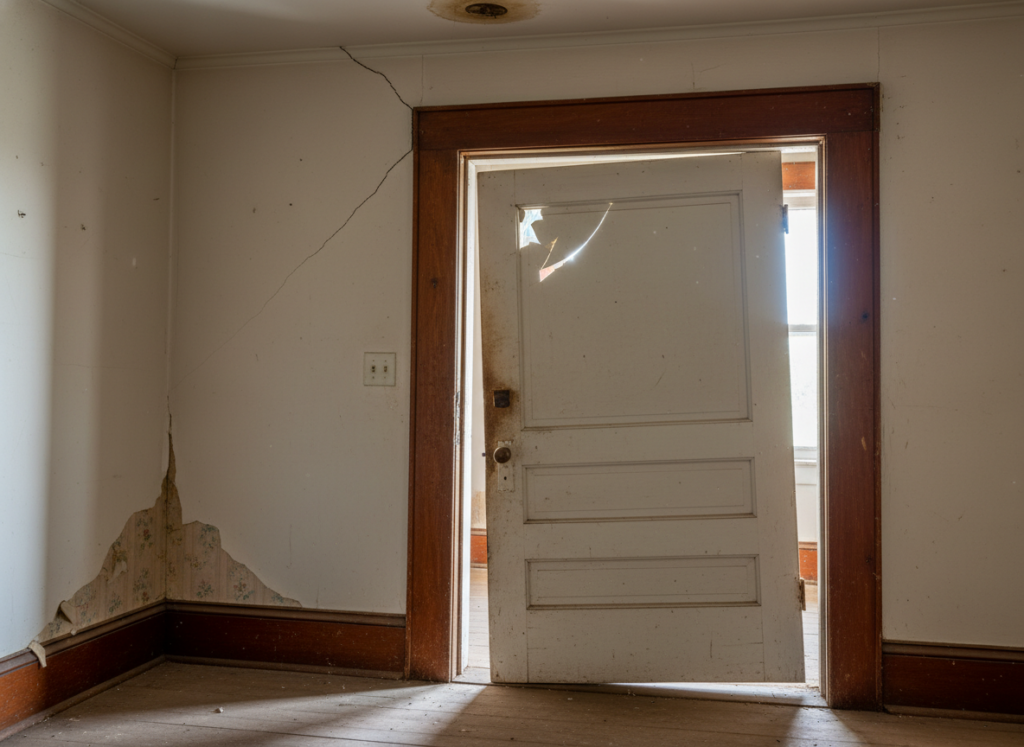
Doors that no longer close properly often indicate foundation shifting
Structural Cracking
As your foundation continues to move, stress fractures develop in your home’s structure. These typically appear first as hairline cracks in floors, walls, or ceilings. Without intervention, these cracks widen and multiply as the underlying water damage progresses. Structural cracking represents a serious stage in slab leak progression that requires immediate professional attention.
Mold Growth
The persistent moisture from slab leaks creates ideal conditions for mold and mildew growth. Initially, this may appear as small spots or produce musty odors. Over time, extensive mold colonies can develop in wall cavities, under flooring, and throughout your home’s structure. Besides damaging building materials, this mold can cause serious health issues for your family.
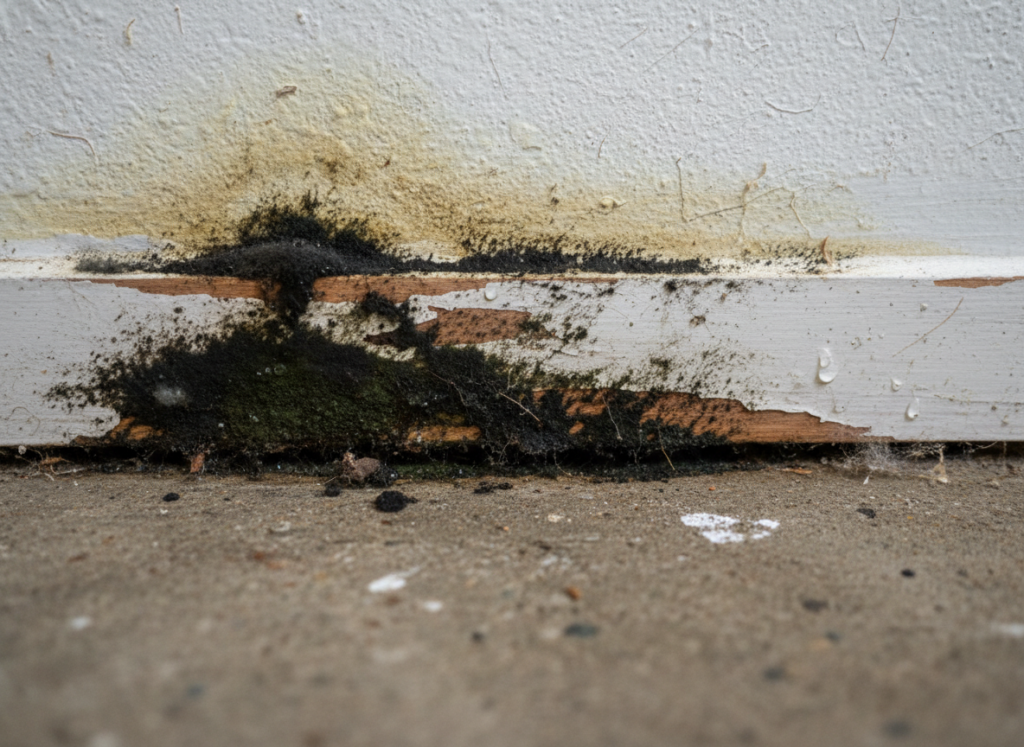
Mold growth often develops where moisture from slab leaks reaches walls
Escalating Repair Costs
Perhaps the most concerning aspect of slab leak progression is the rapidly escalating cost of repairs. A slab leak caught early might require only pipe repair or replacement, costing hundreds to a few thousand dollars. However, the same leak left unaddressed for months can lead to foundation repairs, structural reconstruction, mold remediation, and flooring replacement—potentially costing tens of thousands of dollars.
The progression timeline varies depending on leak severity, soil conditions, and home construction, but the pattern remains consistent: what begins as a minor plumbing issue can develop into major structural damage without timely intervention.
Prevent Costly Damage from Slab Leaks
Early detection is your best defense against expensive repairs. Our experienced technicians use advanced equipment to find hidden leaks before they cause serious damage.
When Early Signs Become an Emergency
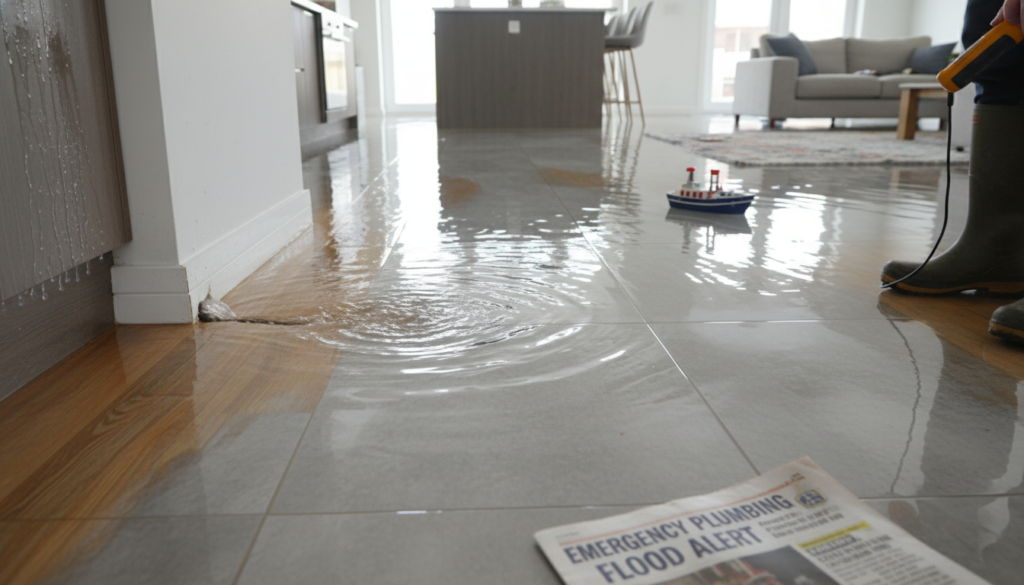
Standing water on floors indicates a slab leak emergency requiring immediate attention
While early slab leak signs warrant prompt attention, certain developments indicate your situation has escalated to an emergency requiring immediate professional intervention. Recognizing these critical thresholds can help you avoid catastrophic damage to your home.
Emergency Warning Signs
- Standing water or flooding – Any visible pooling of water on floors indicates a severe leak requiring emergency plumbing services.
- Sudden foundation movement – If doors or windows suddenly won’t close, floors develop noticeable slopes, or large cracks appear overnight, your foundation may be compromised.
- Water meter spinning rapidly – A water meter that moves quickly with all fixtures off indicates a major leak that could cause flooding or water damage.
- Hot spots that could burn – Floor areas hot enough to cause discomfort when touched suggest a serious hot water line leak that risks scalding or pipe rupture.
- Sounds of spraying water – Hissing or spraying sounds indicate a pressurized pipe has developed a significant breach.
If you experience any of these emergency signs, take these immediate steps:
- Shut off your home’s main water valve to prevent further water damage
- Call for emergency leak repair services immediately
- Document the damage with photos for insurance purposes
- Remove valuable items from affected areas if safe to do so
Delaying response to these emergency signs can result in extensive structural damage, dangerous electrical hazards, and significantly higher emergency plumbing costs as the situation worsens.
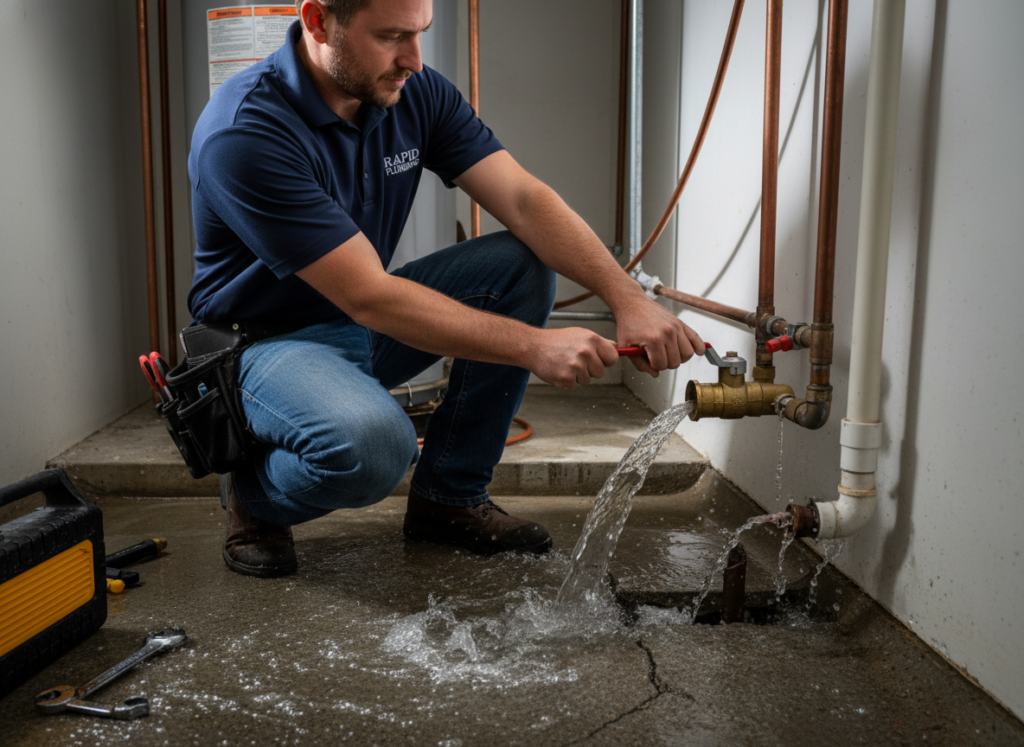
Shutting off your main water valve is the first step in a slab leak emergency
Remember that slab leaks can quickly become emergencies without warning. What appears as a minor issue in the morning could develop into a major problem by evening, particularly with pressurized water lines. When in doubt, it’s always safer to treat potential slab leak signs with urgency.
Professional Slab Leak Detection Methods
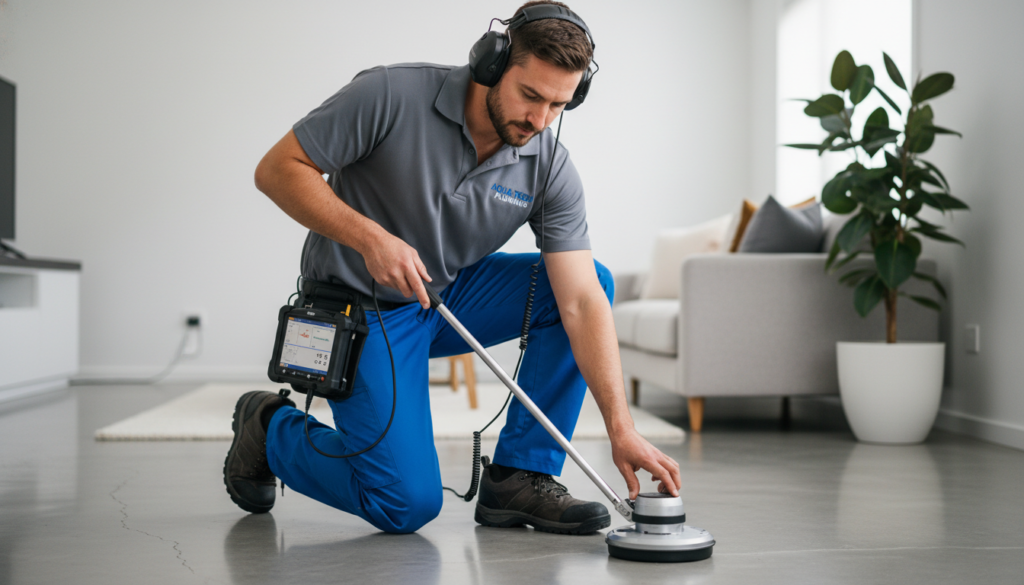
Professional plumbers use specialized equipment to precisely locate slab leaks
Modern plumbing professionals use advanced, non-invasive technologies to accurately locate slab leaks without extensive excavation or guesswork. These specialized methods allow for precise detection before significant damage occurs.
Acoustic Listening Devices
Professional-grade acoustic equipment amplifies the sound of water escaping from pressurized pipes beneath your foundation. Trained technicians can distinguish the unique sound signature of a leak from other household noises, pinpointing its location within inches. This technology is particularly effective for detecting active leaks in pressurized water lines.
Pressure Testing
Hydrostatic pressure testing involves isolating sections of your plumbing system and pressurizing them with air or water. By monitoring pressure changes over time, technicians can confirm the presence of leaks and narrow down their location. This method is especially valuable for detecting small leaks that might not produce audible sounds.
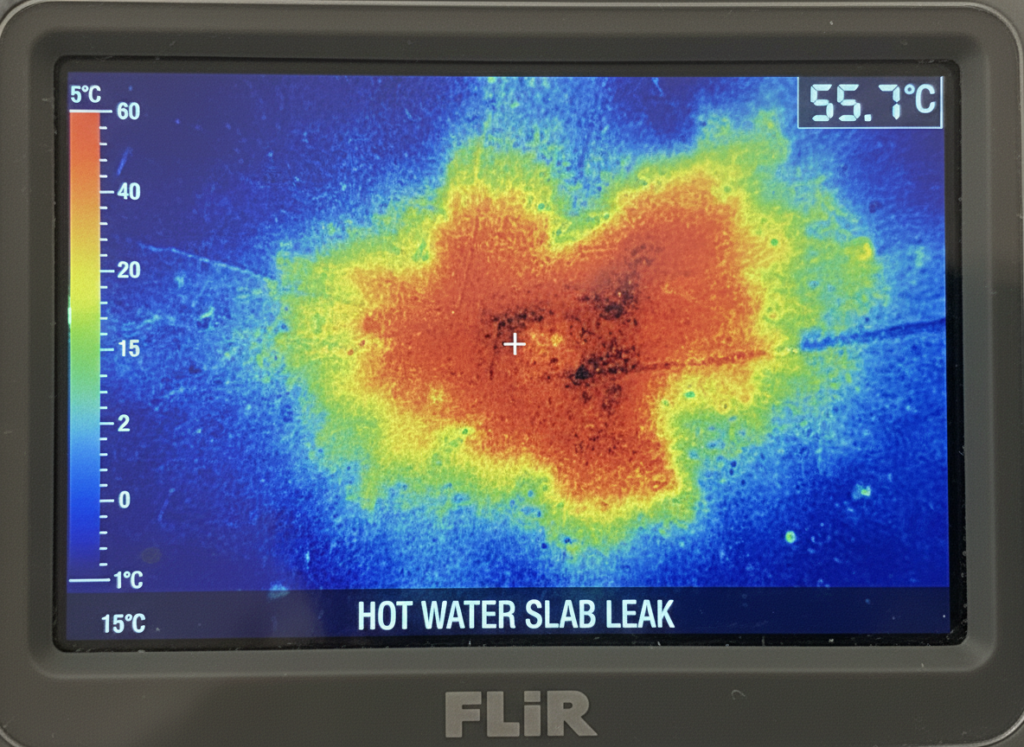
Thermal imaging reveals temperature differences caused by leaking pipes
Thermal Imaging
Infrared cameras detect temperature variations in your flooring caused by water leaks. Hot water line leaks appear as distinct warm spots, while cold water leaks often show as cooler areas due to evaporation. This technology allows technicians to scan large areas quickly without physical contact, making it ideal for initial leak surveys.
These professional detection methods are endorsed by organizations like the Plumbing-Heating-Cooling Contractors Association as the most effective and least invasive approaches to slab leak location. They allow for targeted repairs that minimize damage to your home while addressing the precise source of the problem.
Expert Slab Leak Detection in the Inland Empire
Our technicians use advanced equipment to locate hidden slab leaks with pinpoint accuracy. Don’t risk costly guesswork—trust our proven detection methods.
Service Areas We Cover
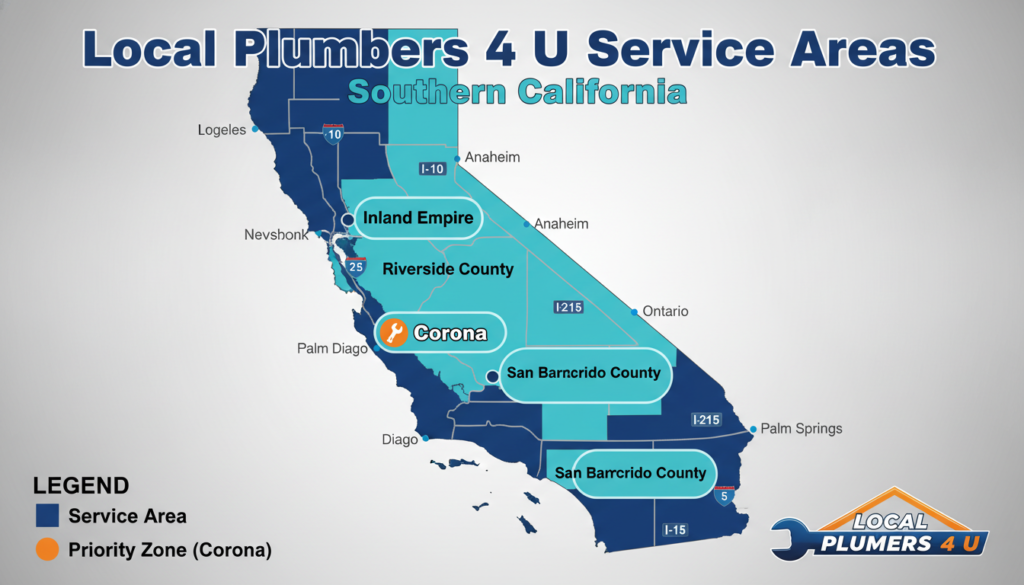
Local Plumbers 4 U proudly serves communities throughout the Inland Empire
Local Plumbers 4 U provides expert slab leak detection and repair services throughout the Inland Empire region of Southern California. Our experienced technicians are familiar with the unique plumbing challenges faced by homeowners in our service areas, including:
Riverside County
- Corona
- Riverside
- Moreno Valley
- Temecula
- Murrieta
- Perris
San Bernardino County
- San Bernardino
- Fontana
- Rancho Cucamonga
- Ontario
- Chino
- Redlands
Our local expertise means we understand the common construction methods, soil conditions, and plumbing systems used throughout the Inland Empire. This knowledge allows us to quickly identify and address slab leak issues specific to our region.
For slab leak detection and repair throughout the Inland Empire, call:
Protect Your Home from Slab Leak Damage
The early signs of a slab leak should never be ignored. By recognizing these warning signals and taking prompt action, you can prevent minor plumbing issues from developing into costly structural problems. From unexplained increases in your water bill to warm spots on your floor or the sound of running water when fixtures are off, these early indicators provide valuable time to address the problem before significant damage occurs.
At Local Plumbers 4 U, we specialize in non-invasive slab leak detection and efficient repair solutions for homeowners throughout the Inland Empire. Our experienced technicians use advanced technology to pinpoint leak locations accurately, allowing for targeted repairs that minimize disruption to your home.
Don’t Wait Until It’s Too Late
If you’ve noticed any potential signs of a slab leak in your home, contact our team today for a professional inspection. Early detection is your best defense against expensive repairs.